Medical SPA Cleaning — Wellness vs Medical Zone 2026
Two zones in medical SPA require different protocols: wellness areas (pool, sauna) demand fungal and bacterial control, while medical areas need sanitation authority standards and equipment disinfection.
Two zones in medical SPA require different protocols: wellness areas (pool, sauna) demand fungal and bacterial control, while medical areas need sanitation authority standards and equipment disinfection.
Medical SPA cleaning requires distinguishing between two different environments: the wellness zone (pool, sauna, jacuzzi) and the medical zone (treatment rooms, aesthetic procedures). Each is subject to different sanitation standards, uses different products, and requires a schedule tailored to the specifics of the facility's operations.
For facility owners and facility managers, it is essential to understand that one protocol cannot be applied to both areas. The wellness zone focuses on preventing fungi and bacteria while maintaining user comfort. The medical zone must meet SANEPID (sanitation authority) requirements, ensure high-level disinfection, and document each cleaning step. This article compares both environments in terms of frequency, costs, and legal requirements, and shows how much comprehensive outsourcing costs in 2026 on the Cracow and Silesian markets.
In brief
- Wellness zone requires antifungal protocols, humidity control, and daily cleaning of wet areas (pool, sauna, jacuzzi)
- Medical zone is subject to SANEPID requirements, mandatory equipment and surface disinfection, and documentation of cleaning procedures
- Cost differences: wellness 25–45 PLN net/m²/month, medical 40–70 PLN net/m²/month (Cracow/Katowice, 2026)
- Comprehensive outsourcing reduces the risk of sanitation errors and provides a dedicated facility coordinator
- Cleaning schedule must account for treatment hours and room preparation before patient arrival
- Reefa team carries out projects for medical facility cleaning in Cracow and in Katowice with OC insurance up to 500,000 PLN
How does the wellness zone differ from the medical zone in a medical SPA?
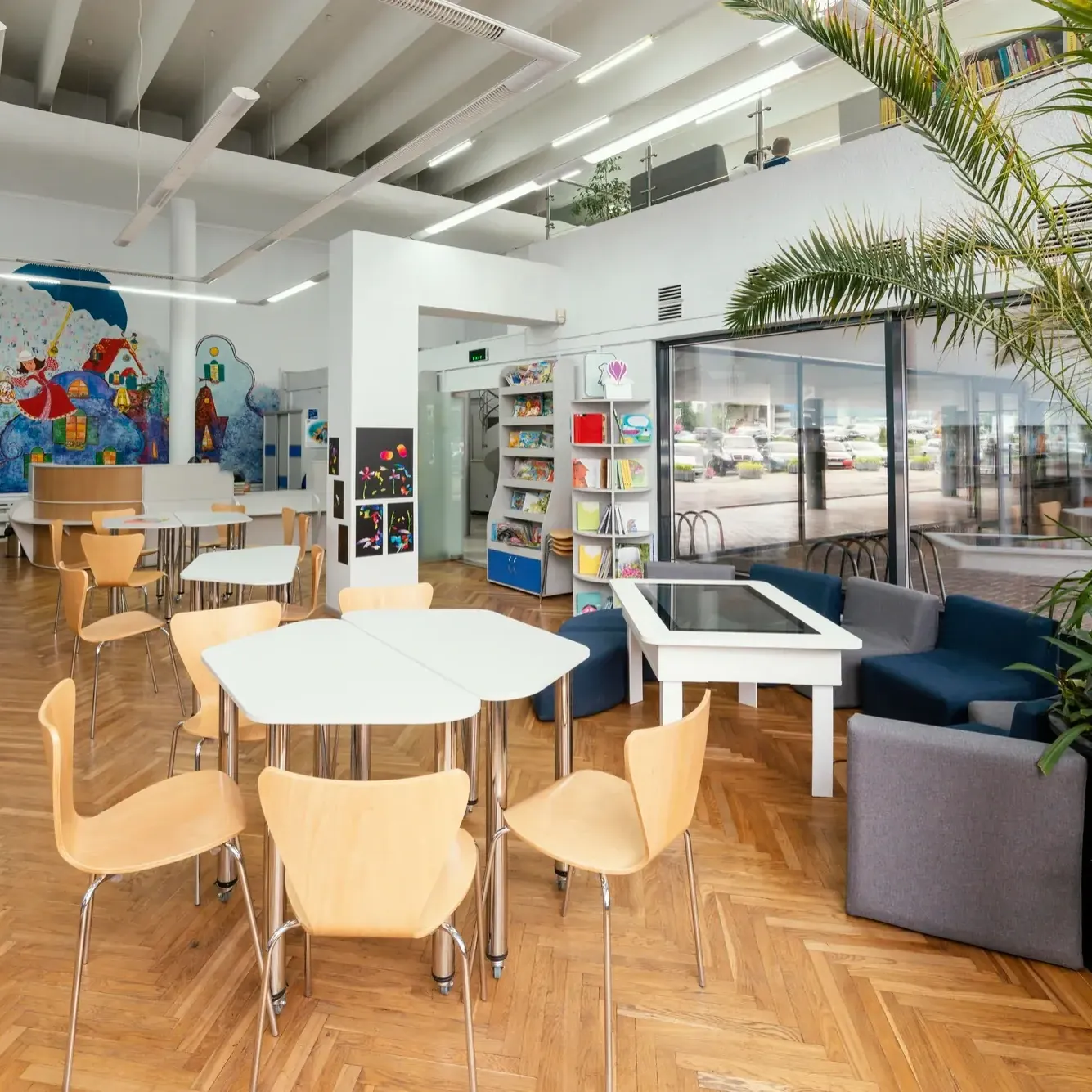
The wellness zone in a medical SPA includes a pool, jacuzzi, Finnish sauna, steam bath, salt chamber, relaxation areas, and changing rooms. Its priority is user comfort, biological safety (preventing fungi and bacteria), and aesthetics. Users enjoy these spaces in swimwear, barefoot, or in disposable slippers. Humidity and heat promote microbial growth, so disinfectants with fungicidal and bactericidal properties are key, as is regular monitoring of water pH and air circulation.
The medical zone includes treatment rooms, aesthetic procedure suites (mesotherapy, peeling, laser treatments), patient preparation areas, medical registration, and staff rooms. Here we are dealing with SANEPID requirements similar to the standards of medical offices and clinics. Work surfaces, treatment chairs, medical equipment, and instruments must be disinfected after each patient. Documentation of cleaning protocols and archiving of disinfection evidence—such as photo reports—is required.
The key difference concerns legal and sanitation risk. In the wellness zone, an error leads to user complaints and loss of reputation. In the medical zone—it can result in legal liability, SANEPID sanctions, and potential facility closure. This is why cleaning costs and frequency are significantly higher on the medical side, and the cleaning team must receive training in medical procedures and GDPR (General Data Protection Regulation).
What protocols apply in the wellness zone?
In the wellness zone, three areas are key: pool and jacuzzi, sauna and steam bath, and changing rooms and relaxation areas. Each space requires separate procedures. At the pool and jacuzzi, cleaning is done daily—in the morning before opening and in the evening after closing. Surfaces around the pool (tiles, non-slip flooring) are cleaned with microfiber mops soaked in a product with pH close to neutral, plus an antifungal agent.
Pool edges, drains, ladders, and railings require special attention. These areas come into contact with user skin and are reservoirs of bacteria. Cleaning requires products based on chlorine or quaternary ammonium compounds (QAC). The use of certified products, such as those bearing the EU Ecolabel mark, reduces the allergenic effect of chemicals on users and staff.
Sauna and steam bath require washing after each day of operation. Wood in the sauna is wiped with specialized wood products that do not leave a film and do not change the aroma. Stone panels in the steam bath must be regularly descaled—calcium and mineral residues accumulate in grout and pores. In both cases, ventilation effectiveness must be monitored: stagnant humid air promotes mold and fungi. Reefa requires teams to check air inlets and outlets during each cleaning and to provide photographic documentation if moisture is found on ceilings.
Changing rooms and relaxation areas (loungers, armchairs) are cleaned multiple times daily—after each peak period. SPA facilities often use an intervention system: the cleaning staff member receives a notification via app (QR system or tablet) when user count exceeds a threshold. Lounger surfaces are disinfected with alcohol-based or peroxide-based products. Floors are cleaned with a scrubbing machine if the area exceeds 100 m².
How does cleaning look in the medical zone of a medical SPA?
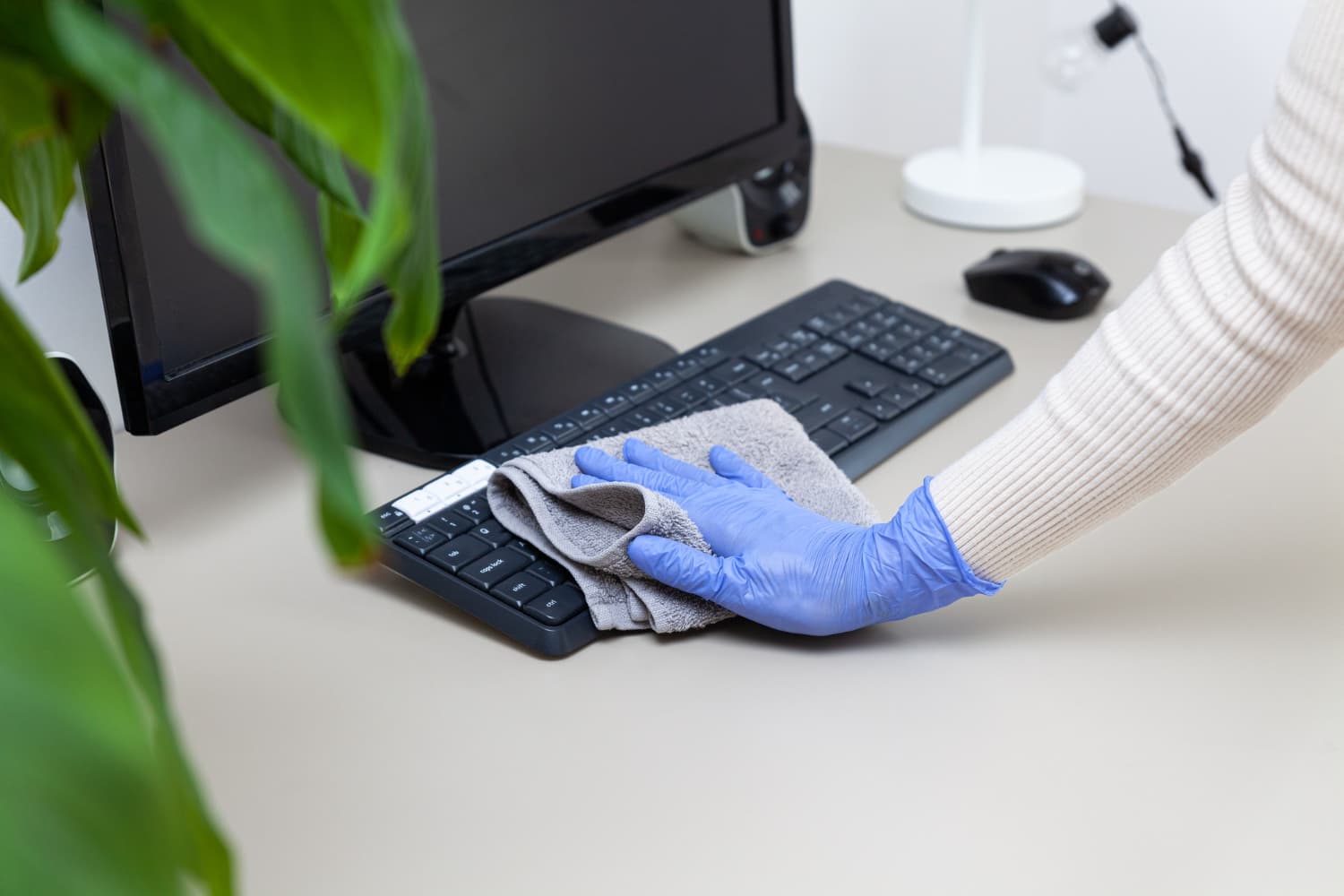
The medical zone requires an approach similar to medical offices. Each treatment room must be prepared according to an SOP (Standard Operating Procedure) approved by the facility's medical director. At the start of each day, treatment chairs, work surfaces, lamps, and door handles are disinfected with products that have bactericidal, fungicidal, and virucidal action—for example, products based on isopropyl alcohol or hydrogen peroxide.
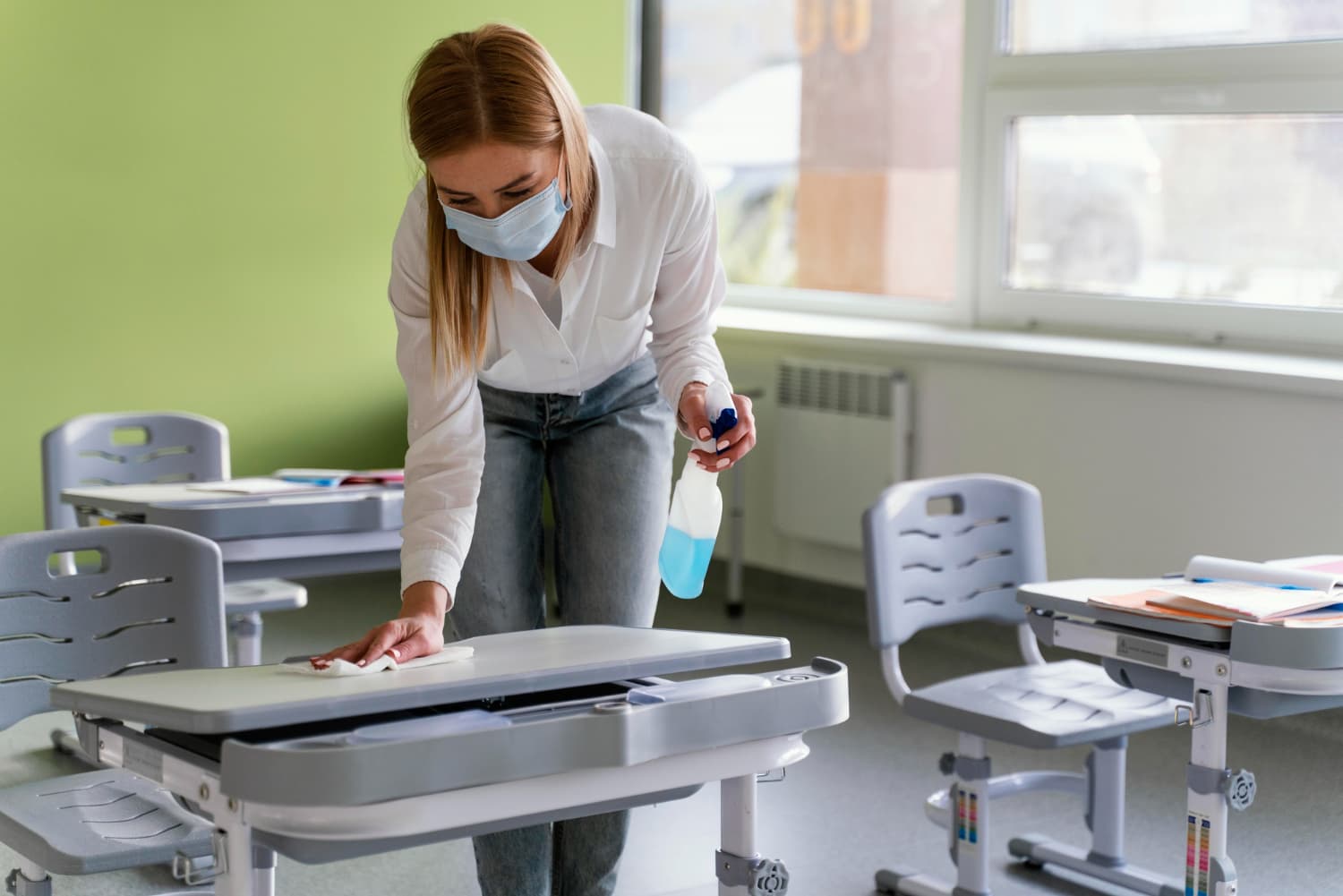
After each procedure, surfaces in contact with the patient (chair, surface, lamp handle) require intermediate disinfection. The protocol involves two-step cleaning: first, rinsing off residual product (serum, creams, gels) with neutral detergent, then disinfection. The contact time of the product with the surface must comply with the safety data sheet—typically 1–2 minutes. The cleaning team should have access to clocks or timers to maintain this timeframe.
Floors in treatment rooms are cleaned at least once daily; in high-traffic SPAs—twice (before opening and after closing). Single-use or reusable mops (washed at temperatures above 60°C) are used. In high-risk areas (vascular procedures, aesthetic surgery, mesotherapy), a color-coded mop system is recommended—separate colors for treatment rooms, hallways, and restrooms. This prevents pathogen transfer between areas.
Documentation is a key element. Each cleaning must be confirmed by an entry in the facility logsheet or mobile app. This includes the date, time, type of product used, disinfection time, and the name of the cleaning staff member. The Reefa team carrying out medical facility cleaning in Cracow provides photo reports after each cleaning and makes a coordinator available to verify compliance with the facility's protocols.
What chemical products are used in both zones?
In the wellness zone, disinfectant products dominate with a broad spectrum, but safe for skin in case of residual contact. Most commonly used are chlorine solutions at low concentrations, quaternary ammonium salts (QAC), and peroxide-based products. For wooden surfaces in saunas, specialized wood products are used that do not reduce the wood's ability to breathe or change its aroma. Descalers based on citric or acetic acid are applied to stone and tiles.
For pool and jacuzzi cleaning products, compliance with standards for pool water is necessary. Products must be compatible with the water treatment system and cannot introduce compounds that conflict with chlorine or ozone. EU Ecolabel marking is an added benefit: it reduces the risk of allergies in users and staff, and also meets ISO 14001 certification requirements for environmentally conscious facilities.
The medical zone requires products registered as medical devices or biocides. In Poland, oversight is exercised by the Office for Registration of Medicinal Products, Medical Devices and Biocidal Products. Popular solutions include:
- Isopropyl alcohol 70% — rapid surface disinfection, 30-second contact time, no rinsing required
- Hydrogen peroxide 3–6% — virucidal and fungicidal action, used on alcohol-sensitive surfaces
- Chloramine-based products — for restroom and support area surfaces, lower volatility than chlorine
- Aldehyde products (formaldehyde, glutaraldehyde) — high-level disinfection, used infrequently due to toxicity
Each product must have a safety data sheet (SDS) in Polish, and cleaning staff must undergo occupational health and safety (OHS) training. At Reefa, all employees have current training in OHS and HACCP, which is essential when serving medical facilities and SPAs with treatment rooms.
How often should each zone be cleaned?
Frequency depends on traffic intensity, type of procedure, and legal requirements. The table below compares typical schedules for a medical SPA of 400–800 m² in Cracow or Katowice:
| Area | Wellness Zone | Medical Zone |
|---|---|---|
| Pool / jacuzzi | Daily morning + evening, pool surroundings several times daily | N/A |
| Sauna / steam bath | Daily evening, deep cleaning 1× weekly | N/A |
| Changing rooms | Multiple times daily (after peaks) | 1× daily (staff area) |
| Loungers / relaxation | Disinfection after each use (heavy traffic) or 3× daily | N/A |
| Treatment rooms | N/A | Disinfection after each patient + deep cleaning evening |
| Hallways | 2× daily | 2× daily (+ if contamination occurs) |
| Restrooms | 3–4× daily | 2× daily + checks during operating hours |
| Reception / registration | 2× daily | 2× daily + surface disinfection every 2 hours |
In practice, the schedule must be synchronized with the treatment calendar. In the medical zone, cleaning cannot occur during procedures—noise, the presence of outsiders, and airborne dust are unacceptable. The facility coordinator from the Reefa team receives access to the SPA calendar and plans cleaning staff entry during breaks between sessions or outside office hours.
For facilities open 6–7 days a week, one deep cleaning per month is recommended: window washing, cleaning air vents, washing curtains and blinds, disinfecting HVAC systems (filter changes), and thorough descaling of the steam bath. Deep cleaning typically costs 1,500–3,500 PLN net per visit, depending on the area and scope of work.
How much does outsourcing medical SPA cleaning cost in 2026?
Prices depend on area, zone division, frequency, and service level. On the Cracow and Silesian markets, the following rates apply (net, 2026):
Wellness zone (pool, sauna, changing rooms, relaxation):
- Daily basic cleaning: 25–35 PLN/m²/month
- Daily cleaning + multiple daily interventions: 35–45 PLN/m²/month
- Deep cleaning monthly: additional 8–12 PLN/m²/month
Medical zone (treatment rooms, procedure areas):
- Disinfection after each patient + daily cleaning: 40–55 PLN/m²/month
- SANEPID protocol with full documentation, photo reports: 55–70 PLN/m²/month
- Cleaning staff training in GDPR and OHS: included in 55–70 PLN packages
Sample calculation for a medical SPA with total area of 600 m² (400 m² wellness + 200 m² medical), standard service level:
- Wellness 400 m² × 30 PLN = 12,000 PLN/month
- Medical 200 m² × 50 PLN = 10,000 PLN/month
- Deep cleaning 1× monthly = 2,500 PLN
- Total: 24,500 PLN net/month (~295,000 PLN/year)
For smaller facilities (200–300 m²), the unit cost increases 10–15% due to the minimum threshold for team deployment. A comprehensive pricing list for Cracow is available in the Pricing section of our website.
Comprehensive outsourcing includes:
- Dedicated facility coordinator (24-hour contact)
- Legally employed and insured team (employment contracts, social insurance, medical examinations)
- OC insurance up to 500,000 PLN
- Chemical products, professional equipment, consumable materials (cloths, mops, bags)
- Photo reports after each cleaning
- QR system for reporting interventions
- Documentation archiving compliant with GDPR and SANEPID requirements
How do you coordinate cleaning with the treatment schedule?
The key is synchronizing the treatment calendar with the cleaning staff entry plan. In practice, we achieve this by integrating with SPA booking systems or through a weekly schedule provided by the facility manager. The Reefa coordinator receives access to the calendar in read-only form or via a file in the cloud (Google Drive, OneDrive).
In the medical zone, we prefer the "night cleaning + daytime interventions" model. Deep room cleaning occurs in the evening after work ends (usually after 8:00 PM). During the day, one person remains on duty for interventions—responding to requests via QR app (e.g., liquid spill, surface disinfection needed), maintaining restrooms and hallways. This person does not enter treatment rooms during procedures, ensuring patient comfort and eliminating the risk of procedure disruption.
In the wellness zone, the priority is facility readiness before opening. The pool, sauna, and changing rooms must be cleaned and checked by one hour before the first guests arrive. For facilities opening at 7:00 AM, this means our team arrives at 5:00–5:30 AM. If the SPA is open late (10:00 PM–11:00 PM), second cleaning occurs after closing, except in restrooms—there interventions continue until closing.
The QR system implemented by Reefa allows SPA staff to report issues in real time: they scan a code placed in each room, select the issue type (restock towels, wipe floor, empty trash), and send a notification. The facility coordinator receives an SMS or email alert and assigns staff within 15–30 minutes. Such a system drastically shortens response time and improves user satisfaction.
What legal requirements apply to both zones?
The wellness zone is governed by general occupational health and safety regulations and local regulations for public facilities. In the case of a pool and jacuzzi, the owner must comply with the regulation of the Minister of Health on requirements for pool water. It requires daily monitoring of pH, free chlorine, temperature, and water clarity. Wellness zone cleaning protocols must be available for inspection during a SANEPID inspection, but are not as rigorously verified as in the medical zone.
The medical zone is subject to full SANEPID oversight. Documentation requirements include:
- Cleaning sheets with date, time, cleaner's name, and product type
- Safety data sheets for all chemical products
- Certificates of staff training in medical procedures, OHS, and GDPR
- Disinfection efficacy verification protocols (optionally—microbiological surface testing)
- Incident register (e.g., product spill, damage to medical equipment)
Each member of the cleaning team must have current medical examinations and a health booklet (if required by the facility). At Reefa, all employees undergo mandatory OHS and HACCP training before starting work at a medical facility or SPA. Training is documented and archived for a minimum of five years.
OC (liability) insurance is necessary to protect the facility against claims for property damage (e.g., expensive laser equipment) or incidents during cleaning. Reefa maintains OC insurance up to 500,000 PLN, which is the standard for premium and medical facility services. The policy is renewed annually, and a copy is provided to the client upon contract signature.
What are the most common mistakes in medical SPA cleaning?
The first mistake is applying the same products and protocols to the wellness and medical zones. Disinfectants permitted for pools (chlorine, peroxides) may be insufficient for treatment rooms, where virucidal action confirmed by EN 14476 standard is required. Conversely, using aggressive aldehydes in saunas or on wellness loungers exposes users to skin and respiratory irritation.
The second mistake is failing to synchronize with the treatment calendar. Entering a room during a procedure interrupts the medical procedure, creates sanitation risk (opening the door introduces hallway dust), and violates patient comfort. In practice, such an error leads to complaints and loss of the SPA owner's trust in the contractor.
The third problem is inadequate staff training. The cleaning person must know the contact time of the product with the surface. If disinfection requires two minutes but the product is rinsed after 30 seconds, disinfection is ineffective. Such neglect emerges during SANEPID inspection or microbiological testing and can result in an order to temporarily close the facility.
The fourth mistake is lack of documentation. Without cleaning sheets and photo reports, the SPA owner has no evidence of service completion or quality control tools. In case of complaint (e.g., fungal infection reported by a user), lack of documentation exposes the facility to legal claims and administrative penalties.
The fifth mistake is improper equipment selection. Hard-bristled brushes damage wooden surfaces in saunas. Cotton mops do not provide the effectiveness of microfiber and leave streaks on tiles. Vacuums without HEPA filters release fine dust back into the air, which is unacceptable in treatment rooms. A professional contractor has equipment certified and suited for each surface type.
Frequently asked questions
Can you outsource cleaning for only one zone (wellness or medical)?
Yes, Reefa carries out both comprehensive and partial projects. If you have an internal team managing the wellness zone, we can take over only the medical zone (treatment rooms, post-procedure disinfection, SANEPID documentation). The price in such a case is calculated individually, though the unit cost may be 10–15% higher due to the cost threshold for travel and coordination. For facilities in Cracow and Katowice, we offer flexible cooperation models—from full outsourcing to intervention support during peak periods (summer season, holidays).
What products do you use in the pool area to avoid conflicts with pool chemistry?
In the pool area and at the jacuzzi, we use products compatible with chlorination and ozonation systems. These are typically quaternary ammonium salts (QAC) at concentrations suited to contact with pool water, and peroxide-based products. All products are approved for use in pool facilities and carry the EU Ecolabel certificate, minimizing the risk of chemical reaction with chlorine or bromine. Before starting cooperation, we coordinate the product list with the SPA technical manager and the water treatment system supplier.
What does cleaning documentation look like in the medical zone?
After each treatment room cleaning, the Reefa team completes a facility logsheet (paper or mobile app) containing the date, time, type of product used, disinfection time, and the cleaning person's name. Additionally, we provide photo reports—photos after cleaning automatically sent to the SPA coordinator's email or available in the cloud. Documentation is archived for a minimum of five years per GDPR and SANEPID requirements. The facility coordinator has constant access to cleaning history and can verify service standards at any time.
Does the cleaning team have access to medical areas 24/7?
Access is regulated in the contract and security protocol. Typically, Reefa staff receives a key or access card with timed permissions (e.g., evening 8:00 PM–11:00 PM for deep cleaning, morning 6:00 AM–8:00 AM for room preparation). For facilities with alarm systems, you provide us with an access code or coordinate entry protocol with your security company. Each entry is logged in the access control system, ensuring full transparency and GDPR compliance. Cleaning staff undergo confidentiality training and sign an NDA (Non-Disclosure Agreement).
How quickly can the service be launched for a new medical SPA?
For facilities in Cracow and Katowice, the standard implementation time is 7–14 working days. This includes: site visit, development of a cleaning protocol tailored to facility standards, team training in medical procedures and OHS, delivery of chemical products and equipment, and a pilot cleaning with participation of a Reefa coordinator and SPA representative. For pilot projects (e.g., new SPA opening, rebranding), we can shorten the timeline to 5 working days after receiving all technical data and price approval.
Are chemicals and equipment included in the outsourcing price?
Yes, in standard pricing packages (listed in the article), chemical products, professional equipment (mops, brushes, scrubbing machines, HEPA vacuums), and consumable materials (bags, microfiber cloths, gloves) are included in the monthly rate. The exception is specialized products required by medical equipment manufacturers (e.g., dedicated cleaning products for CO₂ laser or cryogenic equipment)—in such cases, the client provides the product and we perform the cleaning procedure according to the manufacturer's instructions. Photo reports, documentation, and OC insurance up to 500,000 PLN are always included in the price.
Comprehensive outsourcing for medical SPAs in Małopolska and Silesia
The Reefa team has carried out medical SPA, wellness center, and treatment room cleaning projects in Cracow since 2020, and in the Silesian agglomeration since 2024. We provide complete coordination of both zones—wellness and medical—with attention to treatment schedule, SANEPID requirements, and your guests' comfort. Each facility receives a dedicated coordinator, photo reports after each cleaning, and a QR system for real-time intervention requests.
Our team is legally employed on employment contracts, trained in OHS, HACCP, and GDPR, and all projects are covered by OC insurance up to 500,000 PLN. If you operate a medical SPA, wellness center, or aesthetic medicine clinic in Małopolska or Silesia and are seeking a partner for comprehensive sanitation services, we invite you to contact us. We will prepare a customized quote suited to your facility's specifics and conduct a free site visit.
Contact our team—write to the email on the Cracow – Contact page or call to schedule a site visit and discuss cooperation details.