Medical Center Cleaning vs. Individual Practice — Which Model Works Better?
Comparing outsourced cleaning for medical centers and individual practices: scope, costs, coordination, and service models. Find out which approach makes economic sense in 2026.
Comparing outsourced cleaning for medical centers and individual practices: scope, costs, coordination, and service models. Find out which approach makes economic sense in 2026.
How Medical Centers and Individual Practices Differ — Scope Definition
Medical center cleaning requires a multi-person team, strict schedule coordination, and adherence to sanitary procedures across all zones—from reception through surgical suites. A single medical practice can often be served by one or two people following a fixed, repeatable scope. Differences in scale, logistics, and epidemiological risk translate directly into service models, intervention frequency, and the final rate per square meter.
The choice to outsource cleaning for a medical facility depends not just on floor area, but also on the number of specialties, patient traffic intensity, sanitary-epidemiological requirements, and the type of procedures performed. This article compares both scenarios across scope of work, team structure, unit costs, and practical operational challenges—enabling practice owners and medical facility directors to make an informed decision about which model best fits their needs and budget.
In brief
- Medical centers (5–20 exam rooms) require 3–8 person teams, a dedicated coordinator, and a schedule accounting for different sanitary zones.
- Individual practices are covered by 1–2 employees on fixed schedules, typically after patient appointments.
- Medical center cleaning rates range from 12 to 18 PLN net/m²/month; individual practices, 15 to 22 PLN net/m²/month, depending on frequency and scope.
- Outsourcing a medical center eliminates the need for independent recruitment and managing a larger team while providing SLA (Service Level Agreement), photo reports, and consistent staff replacement.
- Individual practices may consider either outsourcing or hiring in-house staff—the choice depends on administrative costs and required specialization level.
How Medical Centers Differ from Individual Practices — Operational Scope
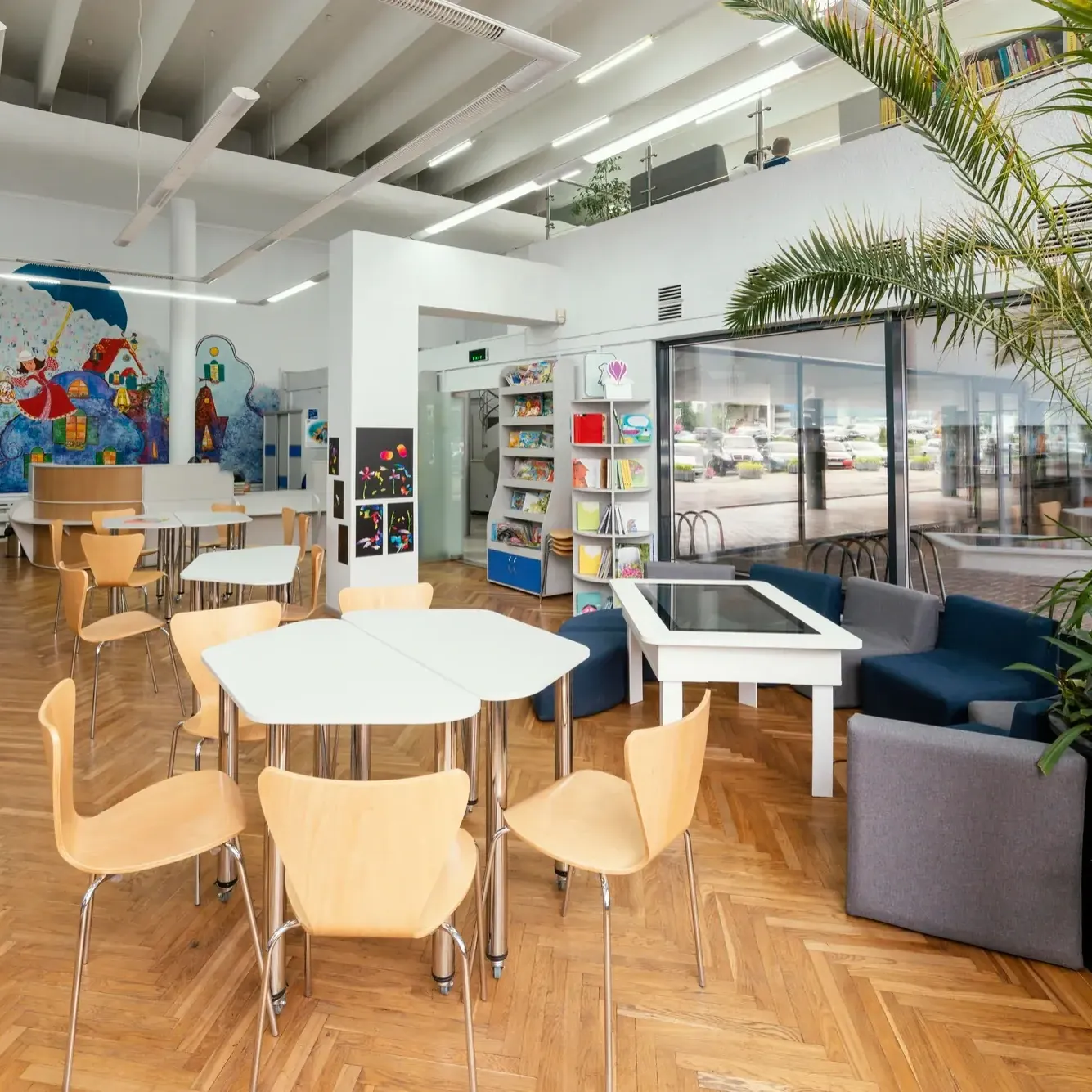
A medical center is typically a facility of 300 to over 1,000 m², combining several specialties: general medicine, cardiology, dermatology, physical therapy, and diagnostic facilities. Infrastructure includes: a central reception area, shared or separate waiting rooms, corridors connecting exam rooms, patient restrooms, medical waste storage, and technical zones. The largest centers may also have surgical suites, ultrasound or X-ray labs, requiring strict adherence to additional sanitary guidelines and different cleaning procedures.
An individual medical practice—dermatology, gynecology, dentistry, or general medicine—typically occupies 40–100 m², consisting of the exam room, a small waiting area, and a basic sanitary node. Patient flow follows direct or electronic registration without a large reception desk. Cleaning scope is limited to daily floor washing, disinfection of treatment surfaces, restroom maintenance, and restocking hygiene supplies.
The key difference lies in team logistics: medical center cleaning must synchronize with the schedules of multiple doctors, account for overlapping specialist working hours, and minimize noise and staff movement in patient zones during appointments. In an individual practice, scheduling is straightforward—cleaning typically occurs in the morning before appointments or in the evening after visits conclude.
Scope of Work in Medical Centers — Coordination, Zones, and Frequency
Medical center cleaning requires both spatial and temporal organization. A typical zone breakdown includes:
- Common patient zone (reception, waiting areas, corridors): daily or even multiple cleanings per day—vacuuming, floor washing, disinfection of handles, chairs, reception desks.
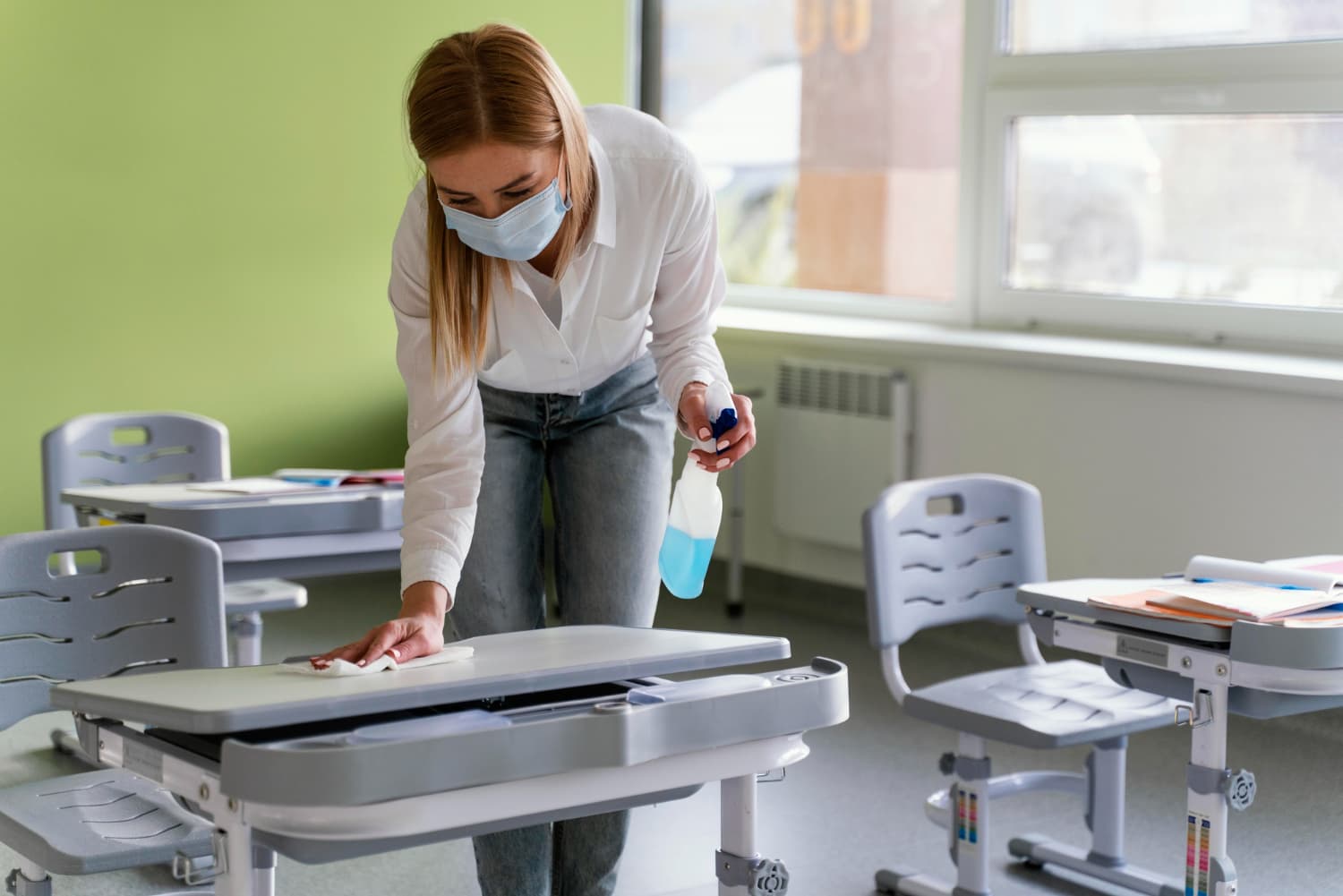
- Specialist exam rooms: disinfection of examination couches, treatment furniture, tables, door handles, and light switches after each appointment or at day's end, per HACCP procedures (Hazard Analysis and Critical Control Points) or local health department guidelines.
- Patient restrooms: cleaning and disinfection 1–2 times daily, restocking soap, toilet paper, and waste bags.
- Medical waste storage: segregation and transport to designated containers, strict documentation for infectious waste (red containers marked with biohazard symbols).
- Technical zones, storage rooms, back areas: weekly or monthly cleaning, depending on traffic intensity.
A team of 3–8 people typically works in the late afternoon or evening when patient traffic drops, but in larger centers, a rotating system may include morning and lunch-time shifts to restock supplies and respond to ad hoc requests—spilled liquids, toilet paper shortages, or disinfection after contact with an infectious patient. At Reefa, we use a QR alert system, allowing the on-site coordinator to receive instant notification and dispatch a worker within 15 minutes.
Key procedures in medical centers include using disinfectants with confirmed bactericidal, virucidal, and fungicidal effectiveness (labeled per EN 14476, EN 13727 standards), maintaining disinfection logs, and training staff in occupational health and HACCP protocols. Documentation—photo reports after each cleaning, checklists for each zone—forms the foundation of compliance during health inspections or accreditation audits.
Scope of Work in Individual Practices — Simplicity and Routine
Individual practice cleaning follows a much more uniform rhythm. A typical daily scope includes:
- Vacuuming or washing floors (vinyl, ceramic, or laminate, depending on the practice).
- Disinfection of the examination couch or chair (e.g., in dental, dermatology, or gynecology practices).
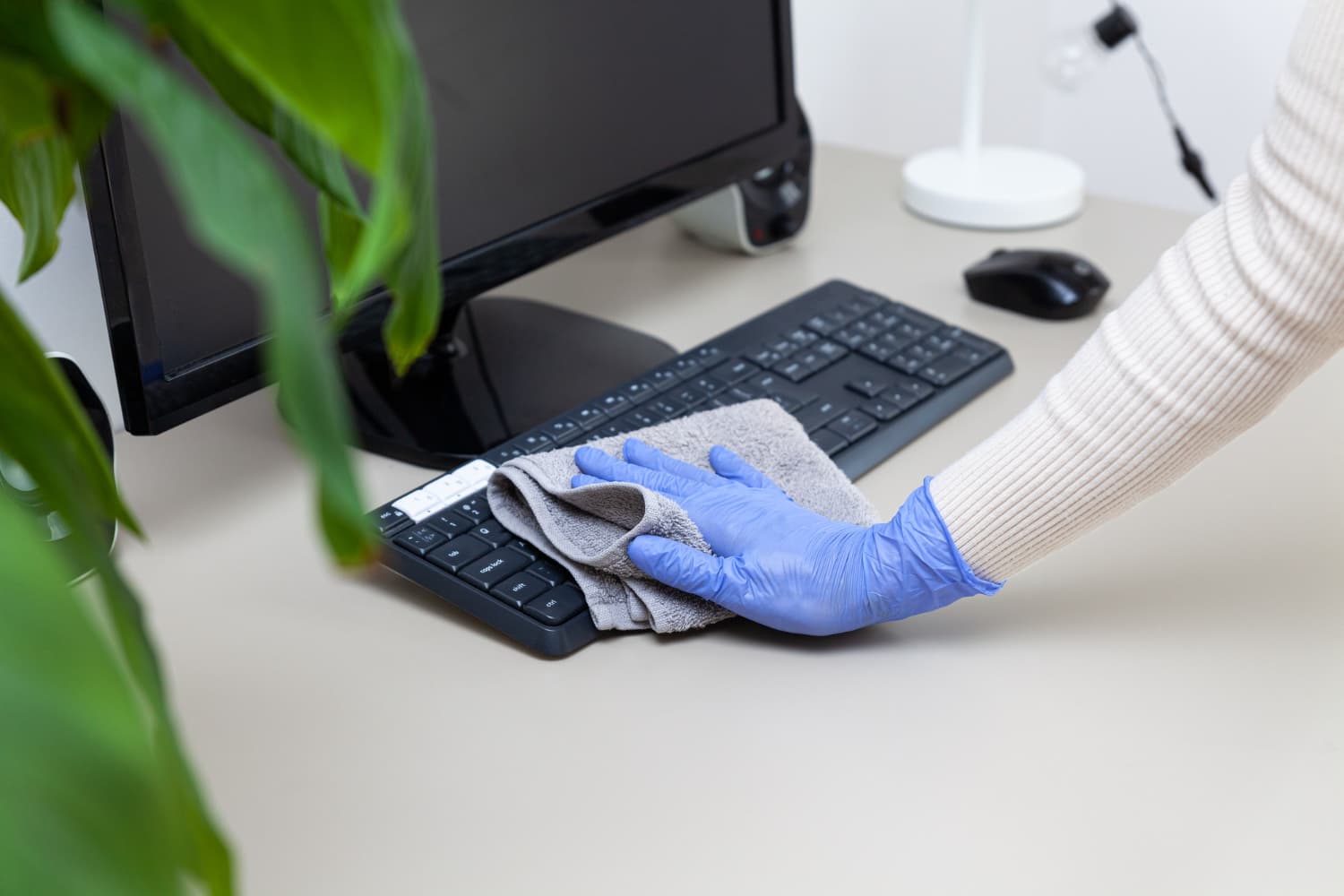
- Wiping down desk surfaces, mouse, keyboard, and phone with disinfectant.
- Cleaning the restroom, restocking soap and toilet paper, and changing waste bags.
- Removing trash (including medical waste, if applicable—needles, dressings) to labeled containers.
- Weekly: washing mirrors, baseboards, and light switches; cleaning glass doors if present.
In most practices, once-daily evening cleaning after the last patient is sufficient. In high-traffic offices—family medicine clinics, vaccination centers—additional mid-day cleaning or quick couch disinfection between patients (performed by medical staff using their own supplies) may be warranted.
Team logistics are minimal: one person arrives at a set time, equipped with a proven set of chemicals (typically 3–4 products: universal floor cleaner, glass cleaner, surface disinfectant, restroom disinfectant) and equipment (service cart, flat mops, microfiber cloths in color-coded sets). There is no need for multi-person team coordination, overlapping schedules, or communication with multiple doctors—just a brief agreement with the practice owner or assistant.
From an outsourcing perspective, a practice represents a simple contract: fixed scope, predictable frequency, low risk of emergency situations. For this reason, many providers charge a higher unit rate—the lack of economies of scale reduces operational appeal for small objects, especially if isolated from other jobs on the route.
Cost Comparison: Rates per m² and Payment Models
In 2026, the Cracow and Katowice markets show the following price ranges for medical facilities:
| Parameter | Medical Center (300–1,000 m²) | Individual Practice (40–100 m²) |
|---|---|---|
| Net rate/m²/month | 12–18 PLN | 15–22 PLN |
| Base frequency | Daily or 5×/week | Daily or 3–5×/week |
| Team size | 3–8 people | 1–2 people |
| Cleaning time per day | 3–6 hours | 1–2 hours |
| Dedicated coordinator | Yes | Usually not (regional management) |
| Photo reports | Yes, after each cleaning | Yes, optional weekly or on request |
| Professional liability insurance | Up to 500,000 PLN (Reefa) | Up to 500,000 PLN (Reefa) |
The lower rate for medical centers reflects economies of scale: the same team covers a large area in a single visit, spreading travel costs, oversight, and cleaning supply logistics. Additionally, longer contracts (typically 12 months minimum) allow the cleaning company to optimize routes and plan staff rotation.
The higher rate for individual practices reflects the cost of single intervention: travel to a small facility, short work duration (1–2 hours), and the need to transport a full equipment and chemical set. In practice, monthly cleaning costs for a 60 m² practice at 18 PLN net/m² equals approximately 1,080 PLN net (~1,330 PLN gross), which for many doctors is competitive with hiring an in-house part-time employee (considering ZUS contributions, vacation, and sick leave).
At Reefa Cracow and Reefa Katowice, we offer transparent pricing models: monthly fees per square meter or hourly rates for on-demand interventions. Detailed pricing is available on our pricing page, with custom quotes accounting for procedure type, number of exam rooms, and special requirements (e.g., night cleaning, surgical suite maintenance).
When Medical Center Outsourcing Is Optimal — Operational Advantages
Medical centers present a range of challenges that outsourcing solves more efficiently than in-house staffing:
Service continuity and staff replacement
When an in-house employee falls ill, takes vacation, or resigns, finding immediate replacement is often impossible. A cleaning company maintains reserve staff and can ensure full coverage within 24 hours without burdening the facility owner with additional HR processes. Reefa guarantees response times under 24 hours, and for facilities with a dedicated coordinator—under 4 hours.
Compliance with occupational health, GDPR, and specialized training
Outsourced teams receive training in HACCP, medical-grade disinfectants, infectious waste handling, and data protection (GDPR)—patients leave documents, health booklets, and prescriptions in waiting rooms. In-house staff requires regular refresher training, documentation, and internal audits, consuming administrative time for the facility director or medical coordinator.
Top-tier equipment and chemicals
Medical centers require autoclavable mops, color-coded systems (e.g., red for infectious zones, green for clean zones), HEPA-filter vacuums, and disinfectants with microbicidal certifications. Purchasing and replacing this equipment costs thousands of PLN annually. An external contractor provides and maintains equipment as part of the service, incorporating costs into the subscription.
Documentation and auditability
Photo reports after each cleaning, zone checklists, disinfection confirmations—this is standard in B2B contracts, but often remains undocumented in-house or exists only in unsignaled Excel spreadsheets. For facilities seeking quality certifications (ISO 9001, healthcare accreditation), formal cleaning documentation is essential.
Scalability up or down
A medical center may expand by adding a specialty, renting an additional exam room, or renovating corridors. The cleaning company adjusts scope and team via contract amendment, without recruiting new in-house staff. Similarly, during vacation periods or after a doctor departs, specific zone cleaning can be temporarily suspended and fees reduced.
When In-House Hiring Makes Sense for a Practice — Cost-Benefit Analysis
For an individual practice, the "outsourcing vs. in-house" decision requires comparing total costs, not just wages:
Monthly outsourcing cost (example: 60 m² practice, 5×/week, 1.5 h/day)
Subscription: 1,080 PLN net (~1,330 PLN gross) including chemicals and equipment.
Monthly in-house employment cost (0.5 FTE, 4 h/day, 20 working days)
- Gross salary: ~2,200 PLN (2026 minimum wage pro rata).
- Employer ZUS contributions: ~480 PLN.
- Total employer cost: ~2,680 PLN/month.
- Additional: vacation coverage, sick leave coverage, cleaning supplies (
100–200 PLN/month), occupational health and HACCP training (300 PLN/year per person).
The cost threshold favors outsourcing if the doctor:
- Prefers not to handle HR administration (contracts, ZUS, tax filing, vacation, terminations).
- Needs flexibility—cleaning at unusual hours, ability to pause service during vacation.
- Expects professionalism and documentation—photo reports, checklists, professional liability insurance up to 500,000 PLN.
In-house hiring may be more advantageous if:
- The practice requires cleaning at unusual times (e.g., post-surgical nights) and the owner knows trusted candidates.
- The doctor performs some cleaning tasks (e.g., mid-visit couch disinfection) and only needs someone for floors and restrooms.
- The practice is very small (under 40 m²) and outsourcing rates become uncompetitive (some providers set a minimum threshold of 500–800 PLN/month).
Remember that cleanliness quality in a medical practice influences perceived professionalism. Dirty grout in the restroom, stains on the couch, missing toilet paper—these are signals that, in the age of Google reviews, can harm reputation. B2B outsourcing with SLA and complaint procedures offers better quality control than supervising a single in-house employee.
Case Study: Medical Center in Katowice — Reefa Service Model
Since mid-2024, we manage a medical center in Katowice covering ~650 m² with 9 specialist exam rooms (cardiology, diabetology, physiotherapy, dermatology, gynecology, general medicine, pediatrics, psychology, and an EKG/ECHO diagnostics lab). The facility sees patients 6 days per week from 7:00 AM to 8:00 PM. Challenge: minimize cleaning staff presence during peak hours (9:00 AM–12:00 PM, 4:00 PM–7:00 PM) and ensure immediate response to urgent needs.
Our organizational response:
- Core team: 4 people, evening cleaning (6:30 PM–10:30 PM) across all zones.
- Morning supplementary service: 1 person (7:00 AM–9:00 AM) restocks restroom supplies, cleans reception and main waiting area after morning rush.
- Dedicated coordinator: on-site 2×/week, available daily via phone/SMS, monitors quality, restocks chemicals and supplies (bags, paper, soap).
- QR system: codes placed in each restroom and reception—staff scan and report issues (e.g., "no paper in women's restroom"), coordinator dispatches the on-duty person within 15 minutes.
- Photo reports: daily post-cleaning set of 10–12 images (waiting areas, corridors, restrooms, exam rooms) uploaded to a cloud gallery; facility director has real-time access.
Special procedures:
- Exam room couch disinfection (dermatology) with virucidal agent after each appointment (performed by medical assistant—our team handles end-of-day disinfection using EN 14476-compliant products).
- Medical waste storage (red biohazard bags): twice-weekly collection by licensed disposal firm—our team ensures segregation and internal transport to a locked storage room.
- Diagnostics zone (EKG/ECHO lab): daily floor cleaning, couch and equipment disinfection in the evening, windows and fixtures fortnightly.
Results after 18 months (January 2026):
- Zero formal complaints from facility management.
- Average QR response time: 12 minutes.
- Two internal audits (accreditation preparation)—cleanliness protocols passed without critical findings.
- Monthly rate: 14.50 PLN net/m² × 650 m² =
9,425 PLN net/month (11,600 PLN gross), covering full team, chemicals, equipment, coordinator, and professional liability insurance up to 500,000 PLN.
Choosing a Cleaning Provider for Your Medical Facility — Key Criteria Checklist
Regardless of facility size, evaluate potential providers against these points:
- Medical sector experience: Does the firm have references from clinics, hospitals, specialty practices? Do they understand sterile zones, HACCP, and health department requirements?
- Legally employed staff: Are workers on employment contracts with full ZUS coverage? Will the company provide proof of tax and social contribution compliance? (Illegal employment creates audit risk and joint liability for contributions.)
- Professional liability insurance: What amount is covered? Reefa's policy covers up to 500,000 PLN—sufficient even for damage to expensive medical equipment or patient injury.
- Procedures and training: Does the team receive occupational health, HACCP, and GDPR training? Does the firm have written disinfection procedures and can provide Safety Data Sheets (SDS) for all chemicals?
- Quality control system: Photo reports, checklists, periodic audits—verifiable documentation indicates professionalism.
- Response time and staff coverage: How does the firm handle worker absence? What is the response time for urgent requests?
- Contract flexibility: Does the agreement allow temporary service pause (e.g., renovation, vacation)? Can scope be scaled up/down (e.g., adding an exam room)?
- Price transparency: Does the quote itemize base rate, add-ons (e.g., window cleaning, upholstery), and supply costs? Avoid providers quoting a single amount "for everything"—disputes over scope become difficult to resolve.
Reefa, operating since 2020 in Cracow and since 2024 in Katowice, meets all above criteria and offers dedicated on-site coordinators for contracts exceeding 5,000 PLN net/month—covering virtually every medical center and larger group practices.
Additional Services and Scope Expansions — Window Cleaning, Upholstery Care, HVAC Disinfection
Both medical centers and practices often need work beyond daily cleaning:
- Window washing: Medical centers with large waiting-room windows benefit from 2–4 annual cleanings; practices, 2 times yearly. Rate: approximately 3–5 PLN net/m² of glass (interior and exterior).
- Waiting-room upholstery cleaning: Armchairs and sofas accumulate dust, allergens, and bacteria. Extraction cleaning quarterly extends furniture life and improves cleanliness perception. Rate: ~15–25 PLN net per chair, depending on condition.
- HVAC disinfection and maintenance: Filter replacement, heat exchanger cleaning, duct disinfection—reduces risk of Legionella bacteria and mold spread. Certified technicians perform this work, but facility coordinators should schedule it with external providers.
- Carpet and floor covering cleaning: If waiting areas have textile flooring, extraction cleaning every 6 months is recommended. Rate: ~8–12 PLN net/m².
- PVC floor protection and maintenance: Applying protective polymer coating to vinyl floors—once yearly, protects against scratching and facilitates daily cleaning.
Reefa offers these services as add-on subscriptions or one-time contracts. Clients often combine them into quarterly packages, allowing predictable budgeting and avoiding emergency expenses.
Comparison Table: Medical Center vs. Individual Practice
| Criterion | Medical Center | Individual Practice |
|---|---|---|
| Typical area | 300–1,000 m² | 40–100 m² |
| Number of rooms | 10–30 (exam rooms, waiting areas, corridors, back areas) | 2–4 (exam room, waiting area, restroom) |
| Cleaning team | 3–8 people | 1–2 people |
| Daily cleaning time | 3–6 hours | 1–2 hours |
| Net rate/m²/month | 12–18 PLN | 15–22 PLN |
| Dedicated coordinator | Yes (facilities > 5,000 PLN/month) | No (regional management) |
| Photo reports | Daily | Weekly or on request |
| HACCP procedures | Mandatory | Mandatory |
| Response time to requests | < 4 hours (QR) | < 24 hours (phone/email) |
| Typical contract length | 12–36 months | 12 months or no minimum |
| Professional liability insurance | Up to 500,000 PLN | Up to 500,000 PLN |
| Scope flexibility | High (adding exam rooms, zones) | Moderate (limited area) |
Frequently Asked Questions
How much does medical center cleaning cost in Cracow or Katowice?
In 2026, rates range from 12 to 18 PLN net per square meter monthly, depending on frequency (daily, 5×/week, or 3×/week), number of rooms, and procedure type. A 500 m² center with daily cleaning and a dedicated coordinator typically costs 7,000–9,000 PLN net monthly, including chemicals, equipment, professional liability insurance up to 500,000 PLN, and photo reports. Detailed pricing accounts for additional work—window cleaning, upholstery, diagnostics lab maintenance—and is available via our pricing page or direct consultation.
What are the health department requirements for medical practice cleaning?
Procedures include establishing cleanliness zones (clean, dirty, infectious), using disinfectants with confirmed bactericidal and virucidal effectiveness (EN 13727, EN 14476 standards), color-coded mop and cloth systems (red for restrooms, green for exam rooms, blue for waiting areas), maintaining disinfection logs, and proper medical waste segregation (red biohazard bags for infectious materials, yellow for medications, black for general waste). Reefa staff receive HACCP and occupational health training; all procedures are documented in instructions provided at the start of service. Additionally, health authorities require that cleaning companies possess certifications for all chemicals used and maintain updated Safety Data Sheets (SDS)—we provide full documentation as part of the subscription.
What is the hourly rate for medical facility cleaning?
For one-time interventions or short-term contracts (e.g., post-renovation cleaning, emergency disinfection), hourly rates are 40–60 PLN net per person-hour, depending on scope. In monthly subscription models, the effective hourly cost drops to approximately 25–35 PLN net/hour due to economies of scale and planned routes. For comparison, typical in-house medical facility cleaning staff earn 27–30 PLN gross/hour (employer cost: ~35–40 PLN/hour including contributions), but this excludes vacation, sick leave, equipment, or liability insurance—all included in outsourcing rates.
Can a small practice (50 m²) use outsourcing?
Yes, though many providers set minimum contract thresholds (e.g., 800–1,000 PLN net/month) to cover travel and administrative costs. For a 50 m² practice cleaned 5×/week at 18 PLN net/m², the monthly subscription is 900 PLN net (1,107 PLN gross)—competitive with part-time in-house hiring. Reefa also serves smaller facilities if they're located on a route with other clients in the same building or neighborhood, reducing travel costs and potentially lowering unit rates to 15–16 PLN/m². Ask about co-location discounts if your building has multiple medical offices.
How often should an exam room be disinfected?
Health department guidelines require disinfection of exam room surfaces (couch, desk, handles, switches) at least once daily after patient appointments. In high-traffic offices (pediatrics, dermatology, gynecology) or when treating a patient with suspected infectious disease (flu, chickenpox, COVID-19), disinfection occurs immediately after the visit, usually by medical staff using quick-acting spray products. The cleaning company performs end-of-day disinfection using longer-contact products (e.g., 15-minute contact time) covering floors, walls near the couch, waste containers, and the restroom. In medical centers, disinfection schedules are customized per exam room and documented in the service agreement.
Does Reefa serve medical facilities in both Cracow and Katowice?
Yes. Reefa has operated in Cracow since 2020 and expanded to the Silesian Agglomeration (Katowice, Sosnowiec, Gliwice, Tychy, Rybnik, and surrounding areas) since 2024. We serve large medical centers (over 500 m²) and individual specialty practices, maintaining identical standards: dedicated on-site coordinators (for contracts > 5,000 PLN/month), daily photo reports, QR alert systems, professional liability insurance up to 500,000 PLN, and full HACCP/GDPR compliance documentation. Details for medical facilities in Cracow and medical facilities in Katowice are available on our dedicated service pages.
Summary: Which Model for Your Facility?
The choice between outsourcing medical center cleaning and managing individual practice cleaning depends primarily on operational scale, procedure profile, and administrative capacity. A multi-specialty center requires a coordinated 3–8 person team, dedicated coordinator, photo documentation, and strict quality oversight—a model that B2B outsourcing delivers more efficiently and cost-effectively than building an internal cleaning department. An individual practice may benefit from outsourcing to eliminate HR burdens and gain professional documentation, or may consider in-house hiring if capable of strong personnel management and equipped with trustworthy candidates.
The key question is: How much time and attention does the practice owner wish to invest in cleaning management? If the answer is "as little as possible," outsourcing with SLA, professional liability insurance up to 500,000 PLN, daily photo reports, and sub-24-hour response times is the best solution. If maximum control and direct oversight are priorities, in-house hiring may be justified—particularly for practices under 60 m².
Reefa has supported medical facilities in Cracow since 2020 and in Katowice since 2024, combining local agility with corporate professionalism: legally employed staff, dedicated coordinators on larger facilities, daily photo reports, professional liability insurance up to 500,000 PLN, and full health department compliance documentation. We welcome your inquiry—we'll provide a customized quote and conduct a site assessment within 48 hours of your request.