How to Prepare Your Medical Office for a Health Inspection — Checklist 2026
A practical 15-point checklist for doctors' offices, dental practices, and physiotherapy clinics. Learn what health inspectors verify and how to prepare your facility step by step.
A practical 15-point checklist for doctors' offices, dental practices, and physiotherapy clinics. Learn what health inspectors verify and how to prepare your facility step by step.
A State Sanitary Inspection of a medical office includes verification of disinfection and cleaning documentation, the technical condition of premises, compliance of cleaning agents with the registry of approved biocidal products, segregation of medical waste, and adherence to occupational health and safety procedures. Every owner of a private facility—from dental practices and physiotherapy clinics to medical aesthetics centers—should have an up-to-date infection control plan and be prepared for inspection at any time.
The COVID-19 pandemic and changes in Ministry of Health regulations have tightened sanitary requirements in medical facilities. Inspections may be announced in advance (planned inspections) or conducted without notice (unannounced inspections)—often triggered by patient complaints. Regardless of the inspection type, preparing your office for a health inspection requires systematic approach, clear documentation, and adherence to disinfection procedures by your entire team.
The Reefa team has been serving private medical facilities in Cracow since 2020 and in Katowice since 2024. During this time, we have worked with Diamed Medical Center, among others, ensuring daily cleaning in compliance with HACCP protocols and documentation required by the State Sanitary Inspection. In this article, we present a practical 15-point checklist to help your office pass inspection without deficiencies.
At a glance
- Inspectors verify disinfection documentation, cleaning agents (expiration dates, approval numbers), cleaning logs, and medical waste segregation.
- Preparation should begin one week before the inspection and includes inventory of preparations, premises review, staff training, and comprehensive cleaning.
- Most common violations: missing dates on disinfectant solutions, outdated procedural documents, improper waste segregation, and unsigned cleaning logs.
- Violations may result in fines ranging from 1,000 to 30,000 PLN and suspension of facility operations until corrective measures are completed.
- Partnering with a professional cleaning company—equipped with certified products and maintaining photographic documentation—significantly simplifies inspection preparation and execution.
What health inspectors verify in medical offices — inspection areas
The State Sanitary Inspection during a medical office audit focuses on five main areas: sanitary and hygienic condition of premises, disinfection and cleaning documentation, disinfectant and cleaning agents, management of medical waste, and compliance with occupational health, safety, and epidemiological procedures.
For procedure rooms—dental offices, medical aesthetics, physiotherapy—inspectors will additionally verify the instrument sterilization system, aseptic procedure compliance, and storage of sterile materials. For medical aesthetics offices, compliance with regulations regarding hygiene and health requirements for aesthetics facility premises and equipment will be key.
The inspection follows the State Sanitary Inspection Act and may be planned (announced in advance) or unannounced—when the inspector arrives without notice, often following a patient complaint. In both cases, the facility owner should present the inspection record book, registration documents, and identify the person responsible for disinfection oversight.
During the on-site visit, inspectors collect swabs from work surfaces, door handles, toilet countertops, and other contact points to verify the effectiveness of disinfection procedures. Lab results are documented in the inspection protocol and form the basis for any administrative decisions.
15-point checklist — one week before the inspection
1. Inventory of disinfectant and cleaning agents. Check expiration dates on all preparations—soaps, hand sanitizers, surface cleaners, detergents. Remove expired products and replenish stock. Ensure each product appears in the registry of biocidal products approved for sale by the Office for Registration of Medicinal Products, Medical Devices, and Biocidal Products (available on provincial office websites).
2. Verify working solutions and their preparation dates. Disinfectant solutions (e.g., for surface or instrument disinfection) must be labeled with preparation date and expiration date after opening. Missing labels are among the most common violations.
3. Update procedures and written instructions. Ensure disinfection procedures, medical equipment protocols, waste segregation, and occupational health and safety procedures are current, signed by facility management, and accessible to all staff. Each procedure should include the preparation date and next review date.
4. Review cleaning and disinfection logs. The cleaning log is the primary document inspectors verify. Check that over the past 30 days all entries are legible, signed by the person performing the tasks, and match the actual schedule. If you outsource medical facility cleaning to an external company, ensure the contractor maintains their own documentation and provides a photo report after each cleaning visit.
5. Inspect technical condition of premises. Walls, floors, and ceilings must be smooth, washable, and free of visible damage. Cracks, chips, and cracked tiles promote microorganism growth and form the basis for post-inspection recommendations.
6. Verify ventilation system. Ensure ventilation grilles are clean, filters changed per manufacturer guidelines, and the system functions properly. In procedure rooms, adequate air exchange is required (minimum 6 air changes per hour in surgical areas).
7. Review sanitary facilities. Staff and patient restrooms must be equipped with liquid soap, single-use paper towels or hand dryers, and a covered waste bin. Check grout cleanliness, fixture condition, and toilet flush operation. Inspectors pay special attention to restroom hygiene, as this is a critical point for cross-infection.
8. Verify medical waste segregation. Confirm containers for hazardous waste (yellow and red bags) and regular waste are properly labeled, tightly sealed, and not overflowing. Keep contracts with waste disposal companies and records of handed-over batches.
9. Verify instrument sterilization and medical equipment. If your office has an autoclave, check the sterilization log, results of biological and chemical tests, and expiration dates of sterilized batches. Instruments should be stored in single-use packaging labeled with sterilization date.
10. Inspect first aid kit and occupational health and safety equipment. Ensure the first aid kit is complete, medications are within expiration dates, and staff know the location of fire extinguishers, fire blankets, and evacuation instructions.
11. Review staff documentation regarding occupational health, safety, and HACCP training. Every employee with patient or medical equipment contact must complete training in hygiene, disinfection, and occupational safety. Keep training completion certificates and current health documentation (health booklets).
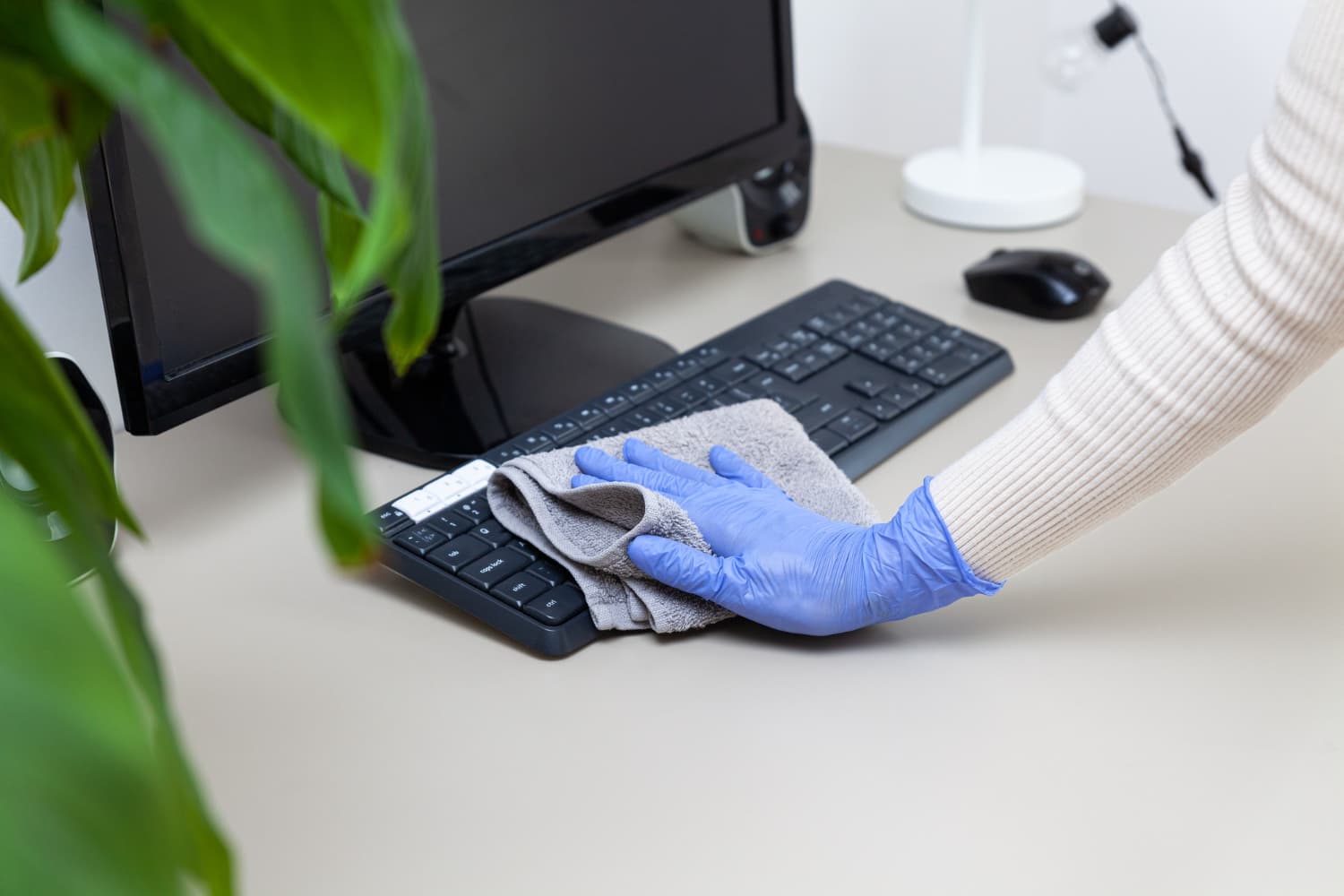
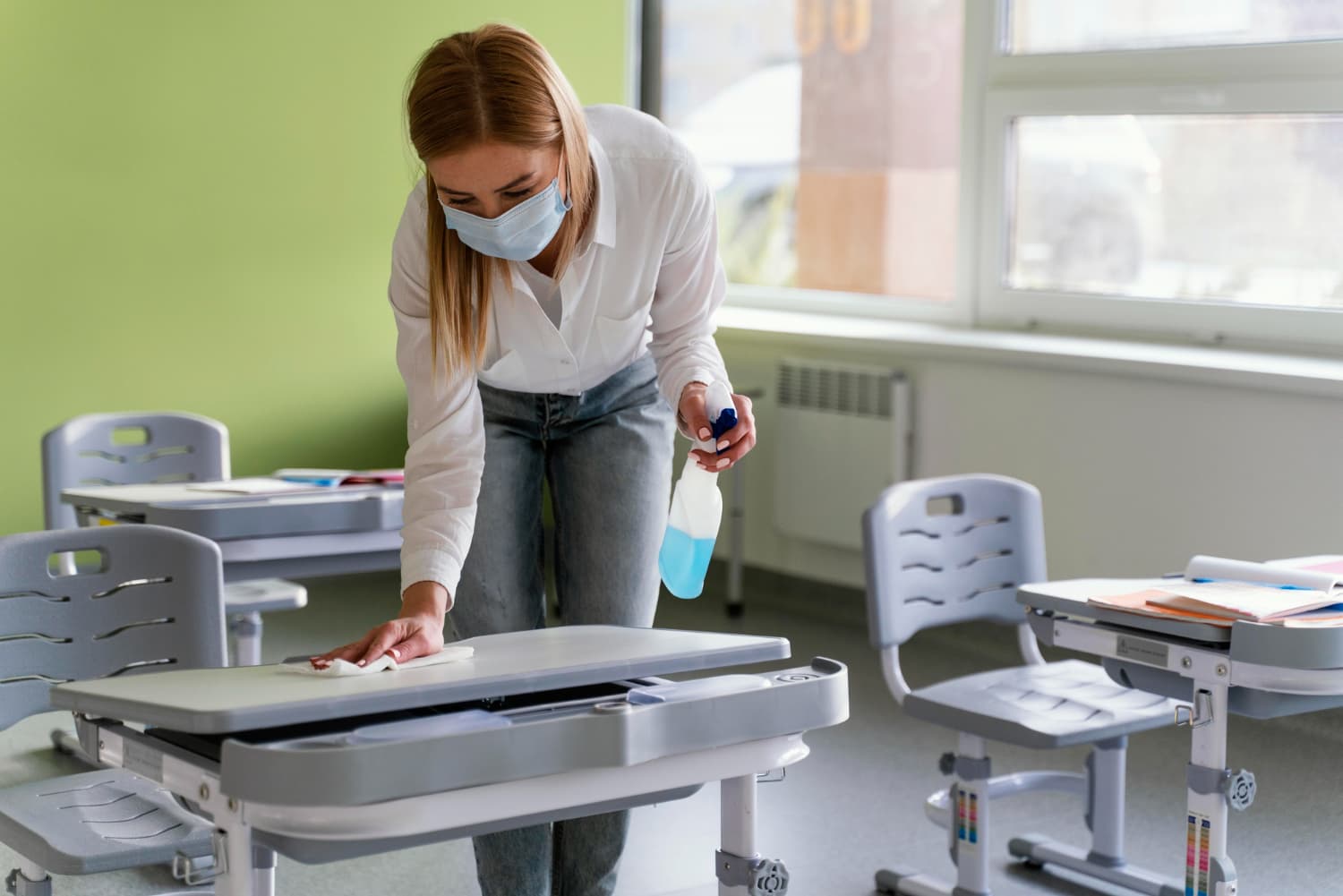
12. Perform comprehensive facility cleaning and disinfection. One week before the expected inspection, plan general cleaning: window washing, curtain laundering, light fixture dusting, ventilation grille cleaning, disinfection of reception desk, door handles, and railings. Consider hiring a professional cleaning company that uses certified preparations and documents completed work.
13. Microbiological swab testing (optional). Some private offices arrange laboratory testing of surface microbiological cleanliness before the inspection. This is an additional cost (200–500 PLN net for a 10-swab package) but allows you to identify deficiencies beforehand.
14. Team training — procedure refresher. Hold a brief meeting with staff to remind them of key procedures: contact times for disinfectants, order of surface disinfection, proper glove application, and response to blood spills. The inspector may ask any staff member questions.
15. Organize all documentation in one accessible folder. Arrange in a quickly accessible file: medical practice authorization, registry certificates, sterilization certificates, waste disposal contracts, liability insurance policies, cleaning and disinfection logs, written procedures, and training certificates.
How health inspections proceed — step-by-step procedures
A State Sanitary Inspection begins with the inspector presenting their service badge and the authorization to conduct the inspection, which specifies the legal basis, scope, and expected completion date. The facility owner or their representative has the right to review this document.
The inspector conducts an on-site visit in the presence of the facility manager or the person responsible for hygiene oversight. During the walkthrough, they take notes, photograph violations (with the owner's consent or based on a court order), collect samples (surface swabs, disinfectant solution samples), and verify agent labeling.
In parallel, documentation is verified. Inspectors review logs, procedures, contracts, and certificates. They may also interview staff about their knowledge of procedures and training. The facility owner has the right to be present during each inspection activity.
After the inspection concludes, a protocol is drawn up describing any violations found or confirming compliance. The facility owner may file objections to the protocol within 7 days. If violations are identified, the inspector sets a deadline for correction (ranging from days to weeks) and schedules a follow-up inspection.
In cases of serious violations—such as missing current authorization, confirmed epidemiological risk, or repeated violations—the inspector may issue a decision suspending facility operations until corrective measures are completed. In extreme cases, the matter proceeds to court, which may impose financial penalties or order a ban on operating.
Most common violations discovered during inspections
Missing dates and expiration marks on working solutions. Even if your office uses the best products, missing labels with preparation dates will disqualify the solution in the inspector's view. This is the most common cause of post-inspection recommendations.
Outdated procedures and instructions. Procedures developed years ago, never reviewed, or inconsistent with current regulations are another prime target for inspectors. Review your documentation at least once annually and confirm its currency with management sign-off.
Gaps in cleaning or disinfection logs. Sporadic entries, missing signatures, illegible notes, or date errors signal to inspectors that your internal control system isn't functioning. If you use medical facility cleaning services in Katowice, ensure the company maintains online logs and submits them in PDF or paper format at month's end.
Improper waste segregation. Disposing of needles in regular waste, mixing hazardous and non-hazardous waste, or failing to label containers poses a serious public health risk and grounds for substantial fines.
Lack of staff training. If an employee cannot answer an inspector's question about a product's contact time or how to properly apply sterile gloves, inspectors will view this as a gap in your training system. Conduct internal refresher training at least quarterly.
Damaged surfaces and equipment. Cracked tiles, chipped paint, doors that don't close properly, corroded chair frames—all complicate effective disinfection and harbor bacterial biofilm.
Penalties for violations — from recommendations to fines
When inspectors identify violations, they issue recommendations or binding corrective orders in the protocol. Recommendations are advisory (e.g., "recommends replacing bathroom tiles"), while orders are mandatory and must be completed within a specified deadline under penalty of administrative decision.
If a threat to public health is found, the inspector may issue a decision to temporarily suspend facility operations. This applies to situations such as: non-functioning autoclave in a dental office, confirmed ineffective disinfection (positive bacterial swabs), serious neglect in medical waste management.
Beyond administrative consequences, inspectors may impose a financial fine ranging from 1,000 to 30,000 PLN. The fine amount depends on violation severity, scope of risk, and prior inspection history. In practice, the highest penalties apply to repeat violations and non-cooperation with authorities.
In cases of egregious violations—such as operating without valid authorization, failure to sterilize instruments, or endangering patient health—the case may be referred to the prosecutor, and the facility owner faces criminal charges for endangering life and health.
Case study — a Cracow office avoided penalties through systematic preparation
In 2025, a private physiotherapy office on Mogilska Street in Cracow received notice of a health inspection following a patient complaint about missing masks in the waiting room. The office owner contacted us ten days before the scheduled date, requesting comprehensive cleaning and assistance with documentation preparation.
We conducted an inventory of disinfectant agents, completed missing cleaning log entries for the previous three months, and performed general cleaning of all premises—from the waiting area through treatment rooms to staff areas. We documented each cleaning session with photo reports including date and time, which were then filed in the inspection folder.
During the inspection, the inspector paid particular attention to the restroom and staff break area. Thanks to prior cleaning of ventilation grilles, replacement of refrigerator seals, and disinfection of work surfaces, no violations were found. The inspection protocol closed without any recommendations—the only note was a reminder about providing single-use masks to patients during periods of increased seasonal infection rates.
The office owner emphasized that the key was organizing documentation and working with a company that understands sanitary requirements. Since then, we maintain a regular contract—cleaning twice weekly, photo report after each visit, monthly summary in Excel with coordinator signatures.
Partnering with a professional cleaning company and health inspector requirements
A professional cleaning company serving medical facilities must meet the same documentation standards as the facility itself. This means using approved biocidal products (with PZH approval numbers), maintaining cleaning logs, training employees in HACCP and occupational health and safety, and carrying liability insurance.
At Reefa, every person cleaning a medical facility completes initial occupational health and safety and HACCP training, followed by refresher training every six months. Staff are legally employed and insured, which is a formal requirement for service providers to healthcare facilities.
After each cleaning, we provide a photo report—a set of marked facility photographs taken by a dedicated site coordinator. The report includes date, time, list of products used, and a clear signature. During a health inspection, the facility owner can present a complete set of reports from recent months, demonstrating regularity and quality of cleaning maintenance.
For Cracow offices, we offer a "Medical Standard" package from 25 PLN net per m² monthly with cleaning three times weekly (depending on area and facility type). The package includes disinfection of all contact surfaces, floor cleaning with bactericidal agents, restocking hygiene supplies (soap, paper towels), and documentation maintenance compliant with State Sanitary Inspection requirements.
Our liability insurance of up to 500,000 PLN covers any damage arising from improper use of disinfectant agents or cleaning procedure errors. This gives facility owners a partner who shares responsibility for compliance with sanitary standards.
Additional requirements for specific facility types
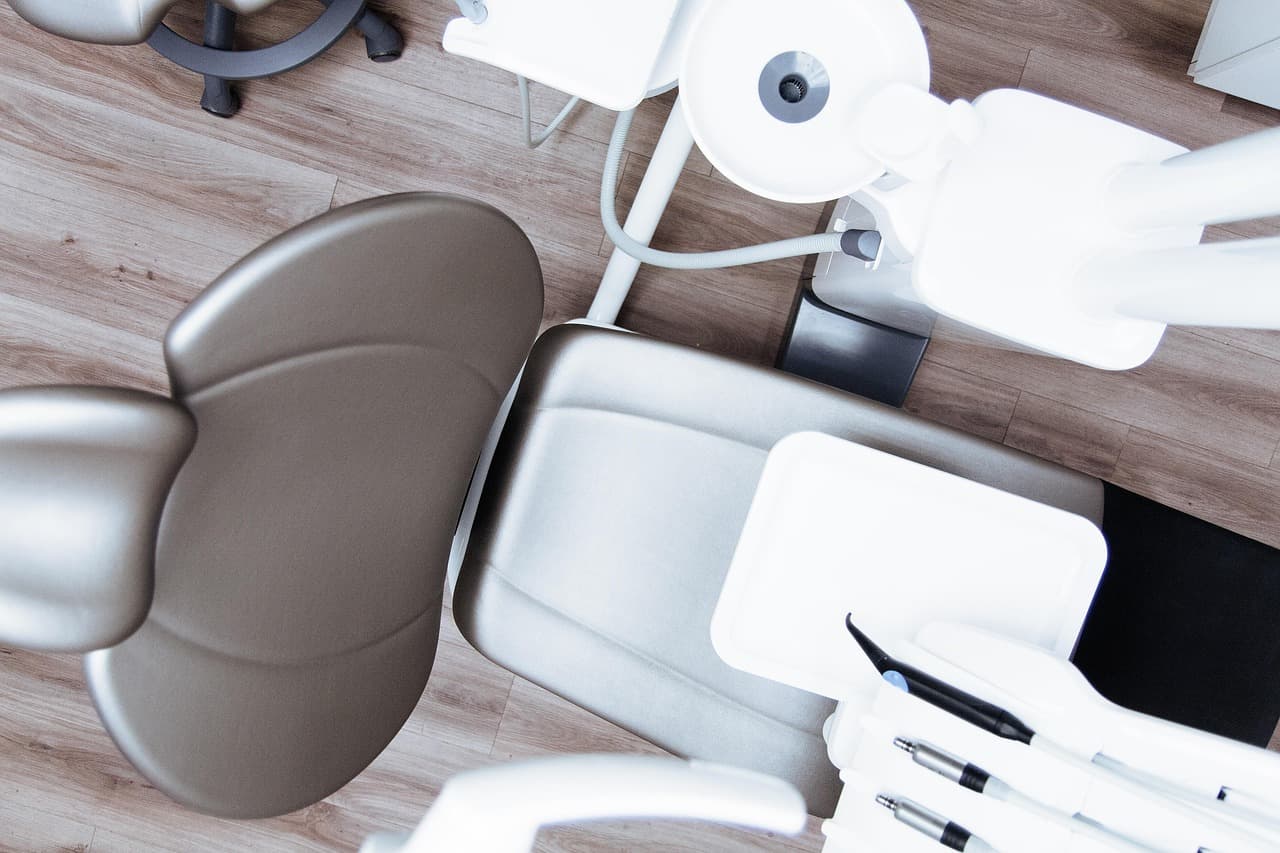
Dental offices. Beyond standard requirements, inspectors closely examine the instrument sterilization system (autoclave, UV chamber), biological test results, and aseptic procedure compliance. A separate handwashing sink for staff (surgical handwashing sink with elbow or touchless soap dispenser) is required. Documentation must include autoclave logs with batch identification, exposure time, and test results.
Medical aesthetics and cosmetics offices. Inspections include compliance with regulations for aesthetics facilities (when non-invasive procedures are also offered). Inspectors pay particular attention to storage of mesotherapy preparations, fillers, topical anesthetics, and handling of disposable equipment (syringes, needles, cannulas).
Physiotherapy offices. The hygienic condition of bed linens, towels, and treatment table covers is critical—all textiles must be laundered at minimum 60°C with added disinfectant agents. The office should have a laundry service contract or possess equipment meeting requirements. The cleaning log should separately document linen and towel changes after each patient.
Health inspections following complaints — procedures and specifics
An unannounced inspection, conducted following a patient or third-party complaint, may occur without prior notification. The inspector arrives during business hours, presents authorization, and verifies compliance in the complaint's scope—e.g., missing protective equipment in waiting areas, suspected neglect in disinfection, improper waste handling.
In practice, complaint-based inspections tend to be more thorough, as the inspector seeks to confirm specific allegations. Stay calm, provide all requested documentation, and don't impede inspection activities. If the complaint proves false, the inspection protocol becomes evidence that your office operates in compliance.
The facility owner has the right to review the complaint's contents (excluding the complainant's personal data) and submit explanations. After inspection completion—regardless of outcome—consider additional staff training and procedural review to eliminate potential communication gaps with patients.
Maintaining inspection readiness daily
The best strategy for preparing for a health inspection is continuous readiness—systems and procedures operating daily without requiring frantic mobilization before the visit. Key elements of this approach include:
- Current log maintenance. Daily entries in cleaning and disinfection logs, signed legibly, stored in a dedicated folder (paper or electronic system).
- Monthly expiration verification. Add recurring reminders to your calendar: review disinfectant agents, working solutions, sterile materials, and first aid kit medications.
- Quarterly staff training. Spend thirty minutes every three months refreshing your team on disinfection procedures, waste segregation, and occupational health and safety. A simple quiz can verify understanding.
- Annual procedure audit. Set a regular review date for all instructions and procedures—e.g., January 1st annually. Compare current content with regulation updates and adjust accordingly.
- Ongoing cleaning contract. Outsourcing to a professional cleaning company is an investment in stress-free operations. Contact the Reefa team in Cracow to establish scope and schedule tailored to your facility's needs.
Costs for professional inspection preparation
The budget needed for inspection preparation depends on your facility's size, service type, and current condition. Below are example rates in Cracow and Katowice in 2026:
- General cleaning and disinfection before inspection (one-time service): 15–30 PLN net per m² depending on soiling level and specialist rooms.
- Documentation package (templates, logs, instructions customized to your facility): 800–1,500 PLN net for development or updating.
- Occupational health and safety and HACCP training (4 hours, up to 10 people): 600–1,200 PLN net, delivered by accredited trainer.
- Microbiological testing (control swabs): 50–80 PLN net per individual swab; 10-swab package 450–700 PLN net.
- Ongoing medical facility cleaning contract: 20–35 PLN net per m² monthly with 2–3 cleaning sessions weekly.
Total one-time preparation cost for a 60 m² facility (e.g., physiotherapy or family medicine) ranges from 2,500 to 4,500 PLN net. The investment pays for itself by avoiding a single administrative fine, which can reach tens of thousands of zlotys.
Frequently asked questions
How does a health inspection proceed and what does it cover?
A State Sanitary Inspection in a medical office begins with the inspector presenting authorization and conducting an on-site visit of all premises. The inspector checks hygienic condition, disinfection documentation, cleaning agents, medical waste segregation, and occupational health and safety procedures. Microbiological swabs are collected from work surfaces, product expiration dates verified, and staff interviewed. The visit concludes with a protocol documenting any violations or confirming compliance.
What does the health inspector require in a doctor's office?
Inspectors require a cleaning and disinfection log with current entries and signatures, written procedures (disinfection, sterilization, waste management), approved disinfectant agents with visible expiration dates, proper medical waste segregation, occupational health, safety, and HACCP training for staff, and good technical condition of premises (smooth, washable surfaces without damage). For procedure rooms, sterilization logs and autoclave microbiological tests are also necessary.
What does a health inspector check in a dental office?
In dental offices, inspectors closely examine the instrument sterilization system—autoclave, UV chambers, biological and chemical tests—and sterilization documentation. The inspector verifies instrument storage methods, batch labeling, treatment room cleanliness, proper hazardous waste segregation (needles, scalpels, blood-contaminated materials), and the presence of a separate surgical handwashing sink for staff. Microbiological swabs are collected from unit surfaces, lamp handles, door handles, and railings.
What are health inspection procedures—is the visit announced?
Planned inspections occur with advance notice—the inspector notifies the facility by letter or phone several days ahead. Unannounced inspections (e.g., following complaints) may occur without warning—the inspector appears during business hours, presents identification and authorization. In both cases, the owner or manager has the right to be present during all inspection activities. The inspection protocol is completed on-site or submitted within 14 days. If violations are found, the inspector sets a deadline for correction and schedules a follow-up inspection.
How much can a fine be for violations discovered by health inspectors in a medical office?
Financial penalties imposed by the State Sanitary Inspection range from 1,000 to 30,000 PLN depending on violation severity and public health threat. Highest fines apply to repeat violations, non-cooperation with inspectors, or egregious violations (failure to sterilize, microbiological contamination, improper waste segregation). Beyond fines, inspectors may issue a facility operations suspension until violations are remedied. In extreme cases, prosecution may result—the owner faces criminal charges for endangering patients.
Does a cleaning company need special certifications for medical facility work?
A medical facility cleaning company must use approved biocidal products (with provincial office approval numbers), maintain cleaning logs, provide staff training in HACCP and occupational health and safety, and carry liability insurance. ISO or EU Ecolabel certifications aren't mandatory but demonstrate professionalism. At Reefa, every medical facility staff member is legally employed, insured, and trained—and our liability coverage extends to 500,000 PLN, ensuring facility safety during inspections.
Preparing your medical office for a health inspection is a process requiring systematic approach, regulatory knowledge, and whole-team cooperation. Remember that the best strategy is continuous readiness—logs maintained daily, procedures regularly updated, disinfectant agents with current expiration dates, and staff aware of their responsibilities.
If you need support maintaining your medical facility daily or comprehensive preparation for inspection, the Reefa team is here to help. Since 2020, we've helped Cracow and Katowice offices meet sanitary requirements—with a dedicated site coordinator, photo reports after each visit, and compliance guarantee with 2026 standards. Contact us—we'll prepare a customized offer for your facility.