Basement Cleaning in Apartment Blocks—Moisture, Mold, and Waste
A comprehensive guide for property managers: how to effectively combat moisture, mold, and waste in residential apartment building basements with proven procedures and cost estimates.
A comprehensive guide for property managers: how to effectively combat moisture, mold, and waste in residential apartment building basements with proven procedures and cost estimates.
Basement cleaning in a residential apartment building is a systematic process encompassing removal of bulky waste, thorough surface sanitation, application of antifungal agents, and disinfection—particularly critical in cases of moisture, mold, and biological contamination. Property managers of residential associations face the challenge of maintaining these spaces in compliance with sanitary requirements and occupational health and safety regulations (OHS), while optimizing operational costs.
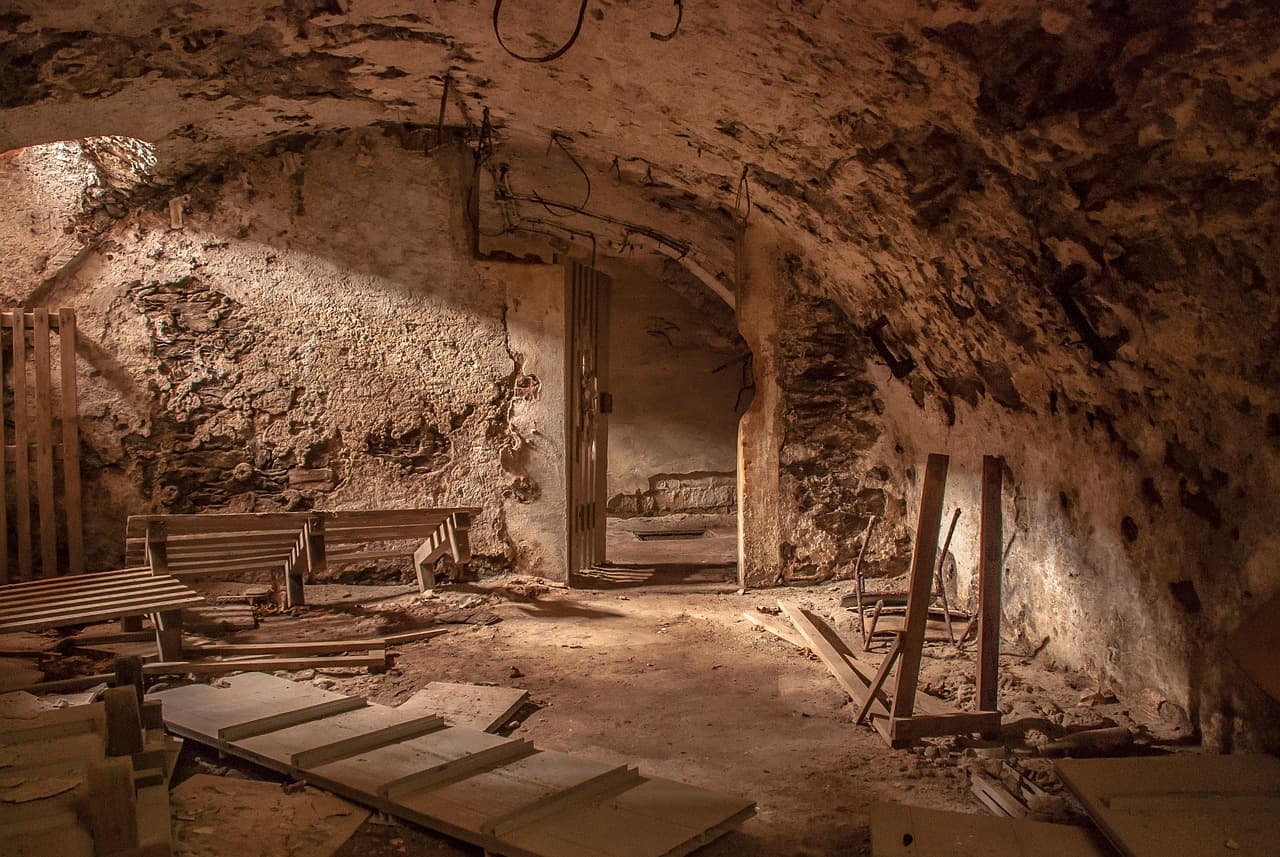
Basements in buildings from the 1970s and 1980s are characterized by limited ventilation, high relative humidity (often >70%), and vulnerability to moisture penetration from the foundation. This environment fosters growth of mold fungi, bacteria, and pests. For property managers, the key is establishing an intervention schedule—both preventive (routine cleaning) and reactive (following flooding or system failures). This article presents proven procedures, cost estimates for a 50 m² basement, and differences between standard and emergency cleaning.
In brief
- Four-step procedure: waste removal → surface cleaning → antifungal application → disinfection
- Preventive frequency: inspection every 3 months, deep cleaning 2× yearly
- Cost estimate for 50 m²: from 750 PLN net for single deep cleaning; emergency cleaning (post-flooding) from 1,200 PLN net
- Key challenges: moisture, mold, fungus, accumulated bulky waste, organic contamination
- Routine vs. emergency cleaning: differences in scope, chemicals, and execution timeline
- Documentation: photo reports after each cleaning reduce disputes with residents
Why Do Basements in Apartment Blocks Require Specialized Approach?
Basements in multi-family buildings serve storage, technical (heating nodes, electrical panels), and circulation functions. Unlike ground-level common areas—staircases, elevators, corridors—basements receive less frequent visual inspection. As a result, problems accumulate unnoticed until a resident reports an issue or system failure occurs.
The most common problems we encounter in apartment block cleaning in Cracow and Katowice:
- Moisture and wall dampness: inadequate horizontal foundation insulation, leaking vertical drainage lines, capillary rise of groundwater.
- Mold and fungus: dark stains on walls and ceilings, musty odor, health hazard to residents (allergens, mycotoxins).
- Accumulated waste: furniture, appliances, tires, building materials from renovations, and even organic waste (if basement adjoins a refuse room).
- Biological contamination: rodent droppings, dead pests, streaks from leaking pipes.
The property manager of a residential association is responsible for the technical and sanitary condition of common areas. Neglected basements can result in fines from the District Sanitary and Epidemiological Station, and in extreme cases—claims for damages from unit owners (e.g., if mold penetrated through the ceiling to a ground-floor apartment).
Professional cleaning for residential associations is based on photographic documentation, compliance checklists, and application of agents with proven antifungal efficacy (standards EN 1650, EN 13697).
Four-Step Basement Cleaning Procedure
Effective removal of moisture, mold, and waste requires a sequential approach—from eliminating problem sources to preventing recurrence. Below we describe the proven procedure we have applied at Reefa since 2020.
Step 1: Waste and Debris Removal
Before actual cleaning, the basement must be emptied of items obstructing access to walls and ceiling. In practice, this means:
- Waste segregation: furniture and appliances with metal components, plastics, construction waste (rubble, old tiles), mixed trash. Most associations require transport to a PSZOK (Selective Municipal Waste Collection Point) or rental of a waste container.
- Handling bulky items: for old furniture, mattresses, large cardboard boxes, coordination of removal with municipal schedules or hiring a waste removal company.
- Securing tenant storage units: if the basement is divided into individual lockers, owners must be notified before cleaning of common areas (minimum 7 days notice) and access to corridors ensured.
In our contracts with associations in Katowice, we often combine basement cleaning with emptying of storage units vacated by former tenants—this reduces total waste transport costs.
Step 2: Cleaning Walls, Ceiling, and Floor
After waste removal, we proceed to mechanical and chemical cleaning of all surfaces:
- Dry vacuuming: removal of cobwebs, dust, plaster fragments. We use industrial vacuums with HEPA filters to avoid stirring mold spores into the air.
- Wall and ceiling washing: alkaline solution (pH 10–12) with disinfectant additive. For heavy soiling, we use pressure washers (up to 100 bar)—this requires proper wastewater drainage and drying of the space.
- Floor cleaning: wet brushing, removal of oil stains, rust, and biological marks. Concrete floors can be additionally sanded (in case of deep discoloration), though this is rare in standard cleaning.
- Cleaning ventilation grilles and drains: clogged grilles impair air circulation and increase humidity.
After washing, all surfaces must dry for a minimum of 24 hours before antifungal application. During this time, we ensure ventilation (open doors, industrial fans running).
Step 3: Antifungal Agent Application
Mold and fungus are not merely aesthetic concerns—they are a health hazard. We apply biocidal preparations in class TP2 (agents protecting materials from microorganism growth), containing:
- Quaternary ammonium salts (QAC)
- Isothiazolones (MIT, BIT)
- For severe contamination—sodium hypochlorite-based preparations (concentration 0.5–2%)
Agents are applied twice, at 48-hour intervals. For Stachybotrys fungus (black mold), we recommend additional respiratory protection for staff (FFP3 half-masks) and air quality monitoring post-intervention.
Important: antifungal agents do not replace removal of moisture sources. If dampness results from system failure or poor insulation, mold will return within weeks. We recommend property managers consult with a building specialist in cases of recurring problems.
Step 4: Disinfection and Odor Neutralization
The final stage is surface disinfection and—if necessary—odor neutralization:
- Disinfection: agent with bactericidal, fungicidal, and virucidal spectrum (standard EN 14476). In basements with organic waste or post-sewage flooding, we use enzymatic agents breaking down proteins.
- Odor neutralization: ozone generators (in unoccupied spaces), ammonia-absorbing preparations, or—in milder cases—spraying with neutral-scent agents (fragrance-free).
After disinfection, we recommend 12 hours of ventilation before basement is returned to use.
Cleaning Frequency: Prevention and Inspections
How often should a basement in an apartment block be cleaned? The answer depends on several factors: building age, technical condition, number of residents, and basement function.
| Type of Intervention | Frequency | Scope |
|---|---|---|
| Visual inspection | Every 3 months | Check moisture, mold, odors, waste |
| Routine cleaning | Every 6 months | Sweeping, minor waste removal, vent grille cleaning |
| Deep cleaning | 2× yearly (spring, fall) | Full 4-step procedure (see above) |
| Emergency intervention | As needed | Post-flooding, sewage failure, mold reports |
Spring cleaning (March–April) aims to remove effects of winter dampness (water vapor condensation, burst pipes); fall cleaning (September–October) prepares the basement for the heating season, when temperature contrast between basement and apartments increases.
In practice, residential associations most often choose a hybrid model: routine cleaning performed by an on-site maintenance worker, deep and emergency cleaning outsourced to an external firm. This maintains cost flexibility and access to specialist equipment (pressure washers, dehumidifiers, ozone generators).
Routine Cleaning vs. Emergency Cleaning (Post-Flooding)
Managers often ask how standard cleaning differs from emergency intervention following system failure. Key differences are outlined in the table below:
| Criterion | Routine Cleaning | Emergency Cleaning |
|---|---|---|
| Cause | Preventive schedule | Random event (flooding, sewage failure) |
| Scope | Common-access surfaces, corridors | All water-affected zones + adjacent area diagnosis |
| Chemicals | Universal detergents, prophylactic antifungal | Strong biocides, protein-degrading enzymes, oxidizers |
| Equipment | Industrial vacuum, mop, brushes | Pressure washer, condensation dehumidifier (up to 50 l/day), hygrometer, thermal imaging (optional) |
| Execution time | 4–6 hours (50 m²) | 1–3 days (depending on dampness extent) |
| Documentation | Photo report upon completion | Moisture measurement protocol, before/during/after photo report, technical recommendations |
| Cost estimate (50 m²) | 750–900 PLN net | 1,200–2,500 PLN net |
Emergency cleaning post-flooding requires special attention to dehumidification. Concrete floors and masonry walls can retain moisture for weeks. Without professional drying, mold will appear within 48–72 hours. We use condensation or adsorption dehumidifiers (at <10°C), monitoring relative humidity to <60%.
In cases of fecal water flooding (sewage failure), additional disinfection per sanitary guidelines and disposal of porous materials (e.g., old furniture, floor coverings) is required.
How Much Does Basement Cleaning Cost? Price Guide for 50 m²
Professional basement cleaning cost depends on:
- Floor area and room volume
- Degree of soiling and mold presence
- Waste removal requirements (number of Big Bags or containers)
- Access difficulty (narrow corridors, no service elevator)
- Type of cleaning (routine, deep, emergency)
Below are indicative net rates for a 50 m² basement in a residential block, based on projects executed in Cracow and Katowice in 2026:
| Service | Net Rate (50 m²) | Notes |
|---|---|---|
| Routine cleaning (sweeping, minor waste removal) | 250–350 PLN | Every 6 months |
| Deep cleaning (full 4-step procedure) | 750–900 PLN | 2× yearly |
| Antifungal agent application (for mold on >20% of walls) | +200–300 PLN | Two-step application |
| Waste removal (up to 3 m³) | 300–500 PLN | Varies by waste type and PSZOK |
| Emergency cleaning post-flooding (with dehumidification) | 1,200–2,500 PLN | 1–3 days work, moisture monitoring |
For larger facilities (>150 m²), we apply per-square-meter rates: 12–18 PLN net/m² for deep cleaning, 6–9 PLN net/m² for routine.
Prices do not include construction work (insulation repair, plastering) or pest control/insect control—these are separate contracts requiring biocide licenses (TP14 and TP18).
Practical Guidance for Property Managers
Basement cleaning is not merely aesthetic—it is an element of sanitary and technical risk management. Here are operational recommendations:
- Establish inspection schedule: add quarterly basement check to maintenance worker or board member duties. Checklist should include: wall condition, humidity (tactile or hygrometer check), waste presence, ventilation function.
- Document every intervention: before-and-after photo reports protect the association in disputes with residents ("That mold was there before we installed our locker").
- Work with an insured contractor: if accidental damage occurs (e.g., to a water line during pressure washing), the contractor's liability insurance covers the claim. Reefa carries liability coverage up to 500,000 PLN.
- Plan budget 2 years ahead: for a 60-unit building with an 80 m² basement, realistic annual budget for cleaning is 2,000–3,000 PLN net (2× deep cleaning + possible emergency intervention). Include this in the financial management plan.
- Respond to resident reports: odors, wall stains, visible insects—these are early warning signals. Swift intervention (within 7 days) costs 3–4× less than fighting advanced mold.
- Educate tenants: remind them of the prohibition on storing waste in basement common areas. A clear sign at entry ("Waste only in designated containers") reduces the problem by roughly half.
Many managers opt for annual contracts with cleaning firms—this yields preferential rates (10–15% discount) and priority emergency response time. Our portfolio includes associations across dozens of blocks in Cracow and Katowice, for which we deliver a full cycle: from staircase cleaning through basements to exterior washing.
Regional Differences: Cracow vs. Katowice
While basement cleaning procedures are universal, we observe certain differences due to building age and local geology:
- Cracow: in Nowa Huta, large-panel blocks predominate (1970s–1980s), often with foundations lacking horizontal insulation. Basements show higher humidity, especially in Czyżyny and Bieńczyce districts (high groundwater levels). Associations more readily invest in stationary dehumidifiers.
- Katowice: districts such as Bogucice, Brynów, Załęże have older tenements (1920s–1930s) and blocks from the 1960s. Basements often served as boiler rooms (now defunct), meaning soot and coal dust accumulation. They require more frequent ceiling cleaning.
Regardless of location, building context is key. Before quoting, we request basement access for inspection—this lets us assess actual work scope and avoid cost surprises.
Frequently Asked Questions
How much does basement cleaning in an apartment block cost?
For a 50 m² basement, indicative net cost for deep cleaning (walls, ceiling, floor sanitation, antifungal application, disinfection) is 750–900 PLN. Routine cleaning (sweeping, minor waste removal) costs 250–350 PLN net. For post-flooding basement or advanced mold, emergency intervention may cost 1,200–2,500 PLN net, depending on dehumidification need and disinfection scope. Bulky waste removal (up to 3 m³) is an additional 300–500 PLN net. Larger facilities are quoted at 12–18 PLN net/m² for deep cleaning or 6–9 PLN net/m² for routine.
Who owns the basement in an apartment block?
Under residential property law, the basement (except individual storage units assigned to specific apartments) is a common part of the property, owned by all unit owners in proportion to their shares. The residential association board or professional manager is responsible for maintaining the basement in compliance with sanitary and occupational safety regulations. Each owner participates in cleaning and maintenance costs via building fund contributions or operating charges. Decisions on cleaning scope and frequency are made by the board or owner vote, per the adopted property management policy.
How do I clean a basement in an apartment block myself?
If the association decides on in-house cleaning (e.g., by maintenance staff or volunteers), the recommended procedure includes: (1) removing all waste and unnecessary items, waste segregation, and disposal at PSZOK; (2) dry vacuuming walls, ceiling, and floor; (3) washing surfaces with universal detergent solution plus disinfectant (pH 10–12), using brushes and mops; (4) rinsing with clean water; (5) applying antifungal agent (available at building supply stores) to mold-affected areas—twice, at 48-hour intervals; (6) ventilation and drying for minimum 24 hours. Provide personal protective equipment: gloves, eye protection, FFP2 mask (FFP3 for mold). DIY cleaning makes sense for small areas (<30 m²) without significant dampness; otherwise, consult a professional firm.
Is entering the basement without owner consent legal?
A property manager or association board has the right to enter common areas (corridors, staircases, accessible basements) without owner consent if necessary for property upkeep, repairs, inspections, or cleaning. However, individual storage units (lockers) assigned to specific apartments may be treated as private—entry requires prior notice to owner (typically 7 days before) and—in practice—owner presence or consent. In emergencies (flooding, fire, system failure), the manager may enter immediately, but must promptly notify the owner and prepare a protocol. Specific rules should be recorded in the association's house rules.
How often should a basement in an apartment block be cleaned?
Recommended frequency: visual inspection every 3 months (check moisture, mold, waste), routine cleaning every 6 months (sweeping, minor trash removal, vent cleaning), and deep cleaning 2× yearly—spring (March–April) and fall (September–October). Spring cleaning removes winter dampness effects; fall cleaning prepares for the heating season. In older buildings (pre-1990), with moisture problems or intensive locker use, consider 3× yearly deep cleaning. Additionally, any emergency (flooding, sewage failure) requires immediate intervention, regardless of schedule.
How does post-flooding basement cleaning differ from standard cleaning?
Emergency cleaning post-flooding includes additional steps absent from standard procedure: (1) moisture diagnostics—hygrometer measurement and thermal imaging to locate water-saturated zones; (2) standing water removal using submersible pumps; (3) active dehumidification—condensation/adsorption dehumidifiers running 2–7 days, monitoring humidity to <60% RH; (4) intensified disinfection—especially post-sewage flooding, using enzymatic preparations breaking down proteins and biocides with virucidal action; (5) odor neutralization via ozone generator or enzymatic preparations. Execution time is 1–3 days (vs. 4–6 hours for standard cleaning), and cost may be 2–3× higher. Speed is critical—intervention within 24 hours minimizes mold growth and material losses.
Summary: A Clean Basement is a Healthy Building
Basement cleaning in a residential apartment building is an investment in long-term property value and resident comfort. Moisture, mold, and accumulated waste, if left unaddressed, lead to installation corrosion, foundation weakening, and health hazards. Systematic inspections (every 3 months), deep cleaning (2× yearly), and swift emergency response maintain predictable costs and prevent costly emergency repairs.
At Reefa, we serve residential associations in Cracow (since 2020) and Katowice (since 2024). Each contract includes a dedicated coordinator, photo reports after every cleaning, and full liability insurance up to 500,000 PLN. Our team comprises legally employed and trained specialists equipped with industrial-grade equipment and certified chemicals (EU Ecolabel, EN standards).
Contact our team to discuss a schedule and receive a quote tailored to your facility. We invite you to reach out in Cracow or Katowice—we respond within 24 hours.