Dialysis Center Cleaning — Standards and Hygiene Protocols
Dialysis centers require the highest cleanliness standards due to immunosuppressed patients and blood exposure. Learn the key disinfection protocols, regulatory requirements, and cleaning schedules essential for nephrology facilities.
Dialysis centers require the highest cleanliness standards due to immunosuppressed patients and blood exposure. Learn the key disinfection protocols, regulatory requirements, and cleaning schedules essential for nephrology facilities.
Why Dialysis Centers Demand the Highest Hygiene Standards?
A patient undergoing dialysis is typically someone with end-stage renal disease (ESRD, Stage 5), often burdened by diabetes, hypertension, cardiovascular disease, or malignancies. The immune system of these individuals is compromised by chronic inflammation, anemia, and proteinuria. Every renal replacement therapy — hemodialysis, hemodiafiltration — involves multiple vascular punctures and access establishment (arteriovenous fistula, central catheter), creating a potential gateway for pathogens.
In a closed treatment area where often a dozen or more patients stay simultaneously for 4–5 hours per shift, the risk of transmission of multidrug-resistant bacteria (e.g., MRSA, VRE) or viruses (HBV, HCV) is real. Cleanliness protocols must eliminate biological surface contamination and aerosols generated during hemodialysis machine operations and circuit flushing. The Regulation of the Minister of Health of November 10, 2006 (Journal of Laws 2006 No. 213, item 1568, as amended) defines requirements for dialysis station spaces, including scope of disinfection for touched surfaces, microbiological air quality, and regular sanitary inspections.
In our practice — medical facility cleaning in Cracow and Katowice — we see that most incidents stem from inconsistent procedure adherence, lack of a dedicated coordinator, or staff rotation without proper BHP and HACCP training. That is why at Reefa, each medical facility has one assigned coordinator who knows the treatment schedule, attends meetings with the station manager, and documents every procedure change.
Professional maintenance of cleanliness in medical facilities is one of the most demanding specializations, and dialysis centers represent its pinnacle. Patients undergoing hemodialysis are often immunosuppressed — their immune system is weakened by chronic kidney failure or coexisting conditions — meaning they face infectious complications at a much higher rate than the general population. Cleanliness protocols must account for direct contact with blood, body fluids, and highly specialized medical equipment; a procedural error can result in hospital-acquired infections (HAI).
For medical directors, dialysis station managers, and nephrology facility administrators, choosing a cleaning partner means choosing an entity responsible for minimizing infection risk and maintaining compliance with the State Sanitary Inspectorate's requirements and sectoral standards. At Reefa, we have served medical facilities in Cracow and Katowice since 2020, providing a dedicated facility coordinator, photo reports after each cleaning, and liability insurance up to 500,000 PLN — essential elements in a high clinical-risk environment.
In Brief
- Dialysis centers require disinfection with virucidal and bactericidal action after each patient session and daily floor protocols.
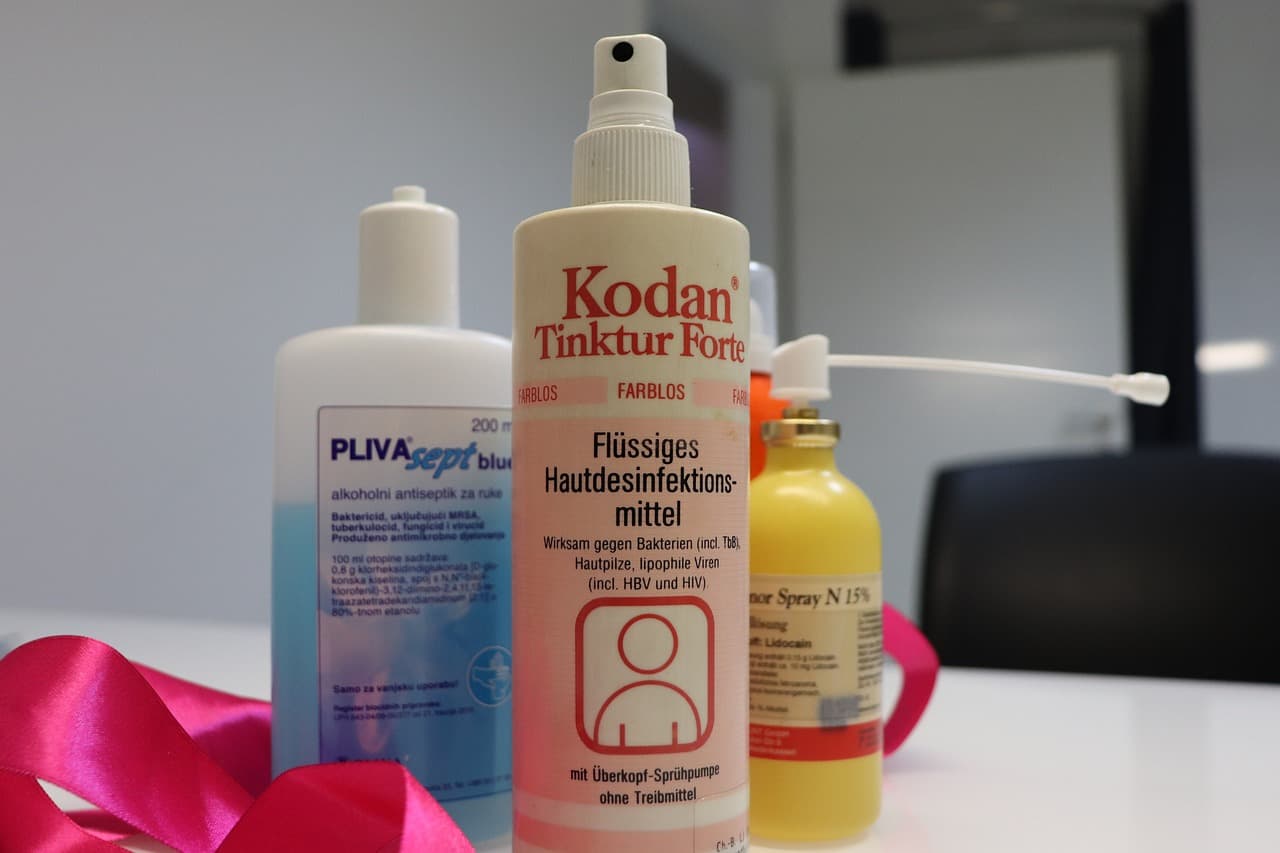
- Dialysis stations, hemodialysis chairs, medical carts, and accompanying equipment are disinfected with alcohol-based agents (min. 70%) or quaternary ammonium compounds (QAC).
- Cleaning schedule encompasses a daily cycle (stations, WC, corridors), weekly (storage areas, technical rooms), and monthly (UV-C lamps, ventilation).
- Medical waste — material contaminated with blood — is segregated per medical waste regulations (classes B300, B200) and handed to a licensed waste handler.
- Cooperation with nursing staff includes schedule coordination to avoid disrupting therapy and training the cleaning team in occupational safety and HACCP.
- The State Sanitary Inspectorate verifies compliance with the Regulation of the Minister of Health concerning conditions that spaces and equipment of healthcare facilities must meet.
Disinfection Protocols for Dialysis Stations — What You Need to Know
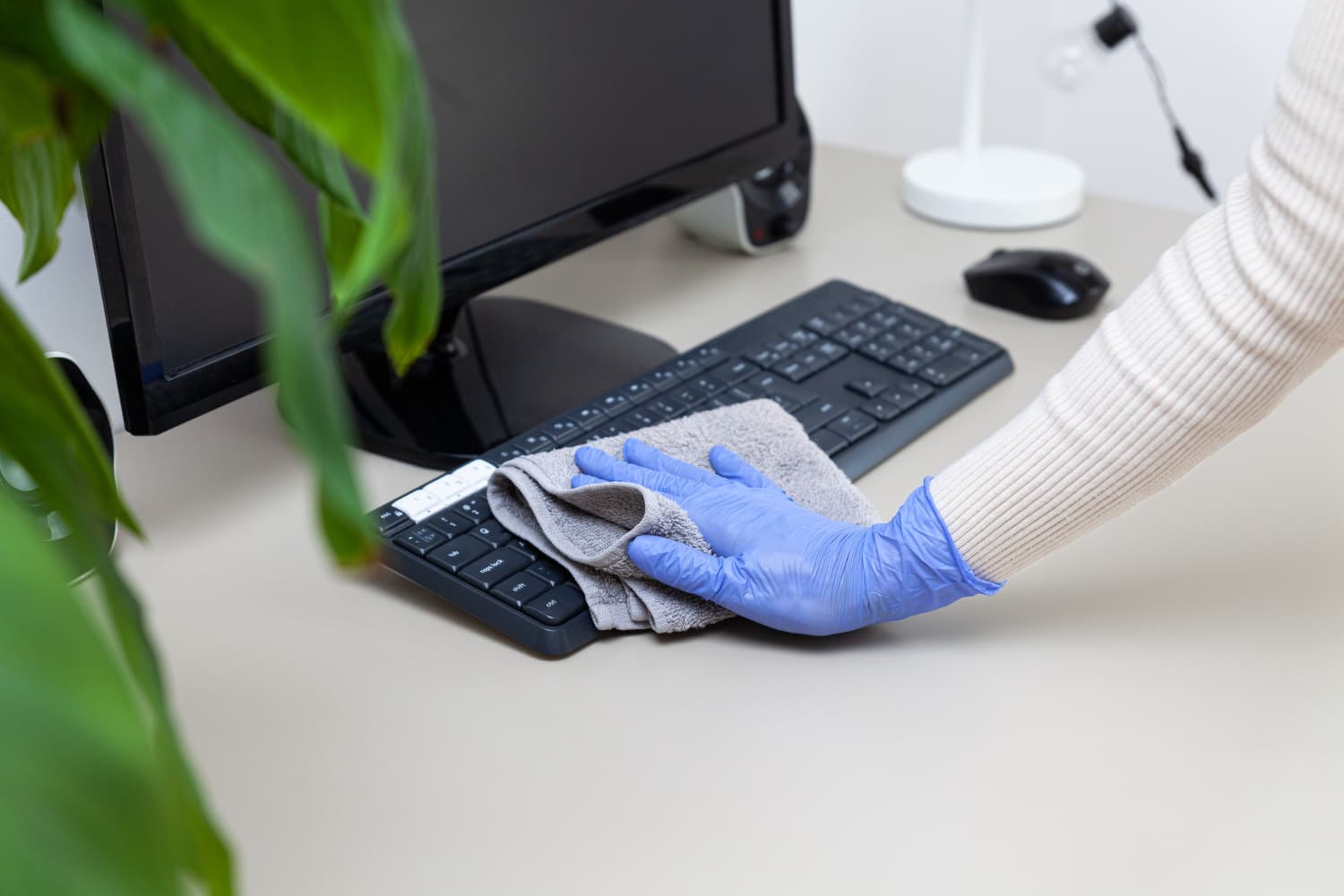
A dialysis station consists of a treatment chair, hemodialysis machine, medical cart, armrests, and a power column. After each dialysis session, all surfaces exposed to patient contact or possible blood spray (chair, cart, machine panel, armrests) must be disinfected with a virucidal agent.
Disinfectants — What Works Against Dialysis Pathogens?
In dialysis centers, we use agents with proven activity against:
- Bacteria (including multidrug-resistant): MRSA, VRE, Pseudomonas aeruginosa, Acinetobacter
- Enveloped and non-enveloped viruses: HBV, HCV, HIV, norovirus, rotavirus
- Fungi: Candida, Aspergillus
The most commonly selected groups are:
- Alcohols (ethanol, isopropanol 70–90%) — rapid evaporation, good virucidal action, no residue. Require shorter contact time (30–60 seconds).
- Quaternary ammonium compounds (QAC) — longer contact time (5–10 minutes), good activity against Gram-positive bacteria and enveloped viruses. Ineffective against spores.
- Hydrogen peroxide (H₂O₂) and peracetic acid — broad-spectrum action, including sporicidal. Used in high-level disinfection (e.g., after a blood incident).
- Chlorine-based agents (sodium hypochlorite) — inexpensive, effective against viruses, but corrosive to some metal surfaces and may discolor upholstery.
In the Reefa protocol, we standardly use dual-component agents: alcohol + QAC or H₂O₂, certified by the Office for Registration of Medicinal Products, Medical Devices and Biocidal Products (e.g., EN 14476 standard for viruses). Each batch of disinfectants is documented in the sanitary log, and the team undergoes annual training on safe dosing and exposure times.
Sequence of Actions After Dialysis Session
- Removal of single-use materials: compresses, needles, hemodialysis sets — into a B300 medical waste container (infectious waste).
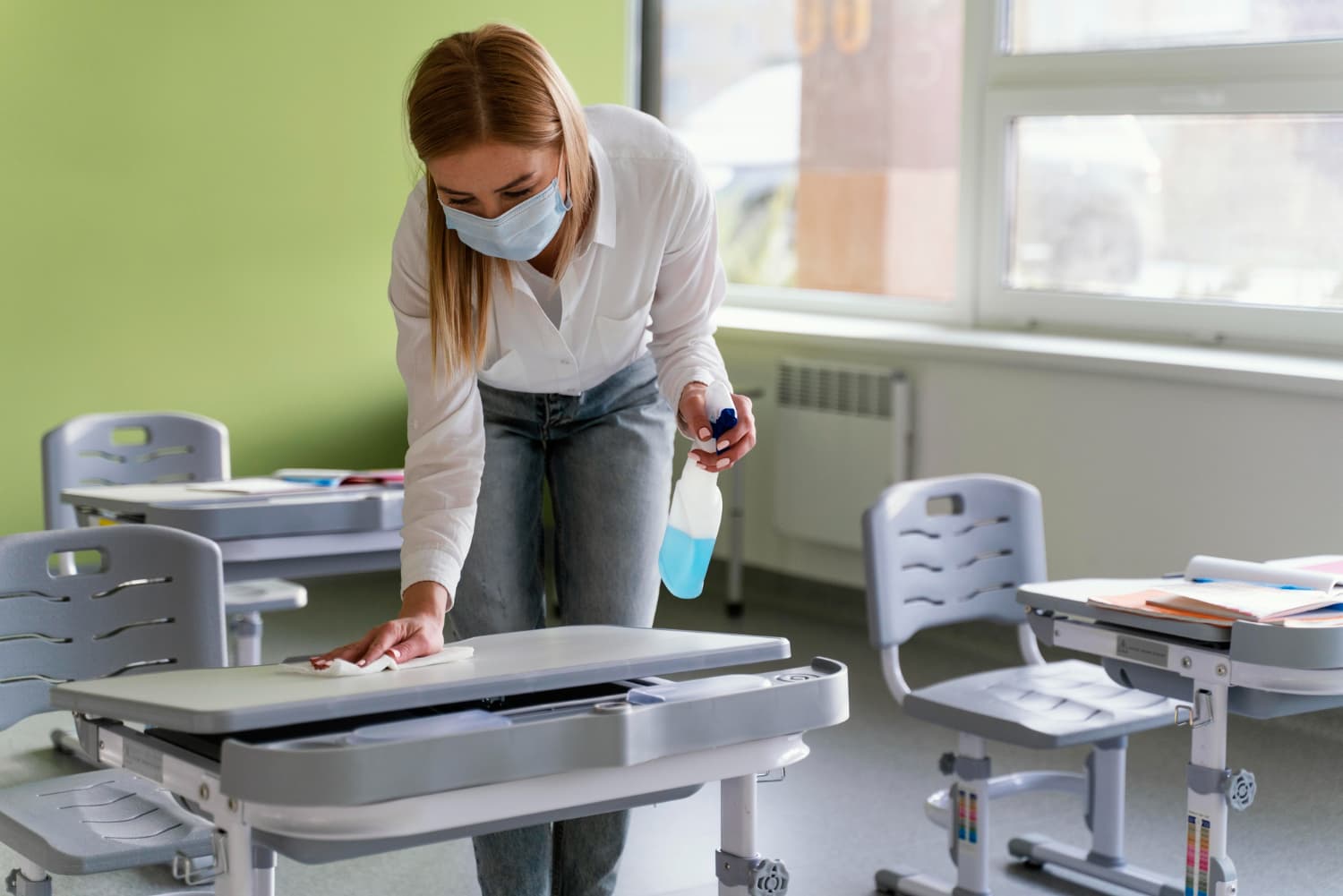
- Pre-wiping of surfaces with a disposable cloth saturated in disinfectant, working from least to most contaminated areas.
- Proper disinfection: spraying surfaces and allowing the declared contact time (3–10 minutes, depending on product).
- Drying or allowing to evaporate (for alcohol).
- Replacement of towels and pads on the chair — dialysis centers often use single-use pads or textile linens in a rental system where laundry is processed in facilities certified for medical use (minimum 60°C, detergents with chlorine or active oxygen).
- Floor disinfection around the station — frequent splashes and spilled body fluids. Single-use mop or reusable mop with head replacement after each room.
The protocol should take 10–15 minutes per station, and a station serving, for example, 12 dialysis stations should have 2–3 people on the team to ensure a safe break between shifts (room ventilated, patient entering a clean station).
Cleaning Schedules — Daily, Weekly, Monthly
Daily Scope of Work
- Before the first shift (around 5:00–6:00 AM): comprehensive disinfection of all stations, WC, waiting area, corridors.
- Between patient sessions (2–3 shifts daily): disinfection of each chair, cart, machine panel, towel replacement, floor disinfection around station.
- After the last shift (around 7:00–8:00 PM): re-disinfection of stations, floor washing and disinfection throughout the facility, waste collection, waste bag transport to storage.
- WC and washbasins: minimum 3 times daily — before each shift — with restocking of antibacterial soap, paper towels, and hand disinfectant.
Weekly Scope of Work
- Technical rooms, storage areas for disinfectants, staff kitchen — thorough washing and disinfection.
- Cabinets with clean linens, shelves with single-use materials — dust removal, shelf disinfection.
- Washing internal windows (glass between treatment areas and corridor).
- Removal of deposits from UV-C bactericidal lamps (if installed).
- Verification of medical waste bag integrity in storage.
Monthly Scope of Work
- UV-C lamps: replacement according to operating hours (manufacturers typically specify 8,000–10,000 hour lifespan).
- Ventilation grilles, intake and exhaust filters — washing or filter replacement.
- Internal surfaces of storage cabinets, surfaces under machines (often neglected in daily cleaning).
- Wall washing in the treatment area (up to 2 meters height).
- Washing and disinfection of reusable medical waste containers.
At Reefa, every schedule is tailored to facility specifics — number of stations, patient volume per shift, station operating hours — and the facility coordinator monitors completion of each task using digital checklists and sends photo reports to the station manager after each shift.
Collaboration With Medical Staff — Scheduling and Communication
A dialysis center is an environment where treatment scheduling is strictly defined — each patient arrives at a designated time, a session lasts 3.5–5 hours, and therapy delays can threaten safety. Therefore, schedule coordination between the cleaning team and nursing staff is critical.
Key Collaboration Points
- Shared calendar: displayed in paper or digital format (Google Calendar, MS Teams), marking patient shifts, technical breaks, scheduled machine maintenance.
- Designated contact point: coordinating nurse or station manager communicates directly with Reefa's facility coordinator — not through a call center, but via dedicated phone or messaging.
- Treatment area access procedure: the cleaning team does not enter during therapy — except in emergency interventions (blood spill, vomit). In case of incident, procedure calls for immediate disinfection, use of sporicidal agents, and reporting via QR system (Reefa facilities have QR codes for quick reporting).
- Cross-team training: quarterly, medical staff and cleaning team participate in joint BHP and HACCP training led by external auditors or sanitary inspectors. Topics: emergency procedures, waste segregation, use of personal protective equipment (PPE — nitrile gloves, single-use gowns, safety glasses for chlorine use).
Legal Requirements and State Sanitary Inspectorate Controls
The principal legal act is the Regulation of the Minister of Health of November 10, 2006 on Requirements That Spaces and Equipment of Healthcare Facilities Must Meet (Journal of Laws 2006 No. 213, item 1568). For dialysis stations, key requirements are:
- Usable floor area: minimum 12 m² per dialysis station (in practice 14–16 m² to allow free access to the patient).
- Mechanical ventilation: minimum 6 air changes per hour, with HEPA filtration in high-risk areas.
- Surface disinfection: documented protocols, agents with certificates, disinfection logs signed by staff.
- Lighting: minimum 500 lx at station level (requirement for procedures involving vascular access).
The State Sanitary Inspectorate conducts routine inspections (every 2–3 years) and intervention inspections (following notification of hospital-acquired infection, unexpected patient death, complaints). Inspectors verify:
- Cleaning and disinfection logs — each shift should be confirmed with signature and date.
- Certificates of disinfectants and their shelf-life.
- Results of microbiological surface testing (swabs collected by accredited laboratories).
- Staff training records — confirmed by participant signatures.
In case of non-compliance, the inspectorate may order suspension of patient admissions, which in practice means temporary closure of the station and financial losses reaching tens of thousands of zlotys daily.
Medical Waste Disposal at Dialysis Centers
Waste generated in a dialysis center falls under infectious waste, per the Act of December 14, 2012 on Waste (Journal of Laws 2013, item 21, as amended) and the Regulation of the Minister of Health on detailed procedures for handling medical waste.
Classification
- B300 (infectious): needles, hemodialysis sets, compresses contaminated with blood, gloves after vascular access manipulation, used dialyzer filters.
- B200 (wet infectious): body fluids in sealed containers (e.g., from catheter flushing).
- C (chemical): residual disinfectants, expired medications.
Procedure at Reefa
- Segregation at source: rigid containers (sharp containers) for needles, yellow bags (B300) in metal bins with foot pedal.
- Bag closure: when filled to ¾ capacity, double-knotted, labeled with date and signature of person sealing.
- Internal transport: wheeled bins, closed lid, moved to waste storage (air-conditioned room, secured against unauthorized access).
- Removal: licensed contractor (e.g., Eko-System, Remondis Medison) collects waste per schedule (typically 2–3 times weekly), each removal confirmed by waste transfer card (KPO).
In our experience through 2026, auditing requirements are growing — the State Sanitary Inspectorate now requires QR code scans on B300 bags to trace the entire transport chain to incineration facilities. Our photo report system includes images of waste storage before and after removal, protecting the facility in case of inspection.
Cleaning Materials and Equipment Dedicated for Dialysis Stations
In a dialysis center, universal mops or cloths used elsewhere in the building cannot be employed. Dedicated tools are fundamental to preventing cross-infection.
Color-Code System
Colors distinguish risk zones:
- Red: WC, waste containers, patient restrooms.
- Yellow: treatment area, dialysis stations, aseptic rooms.
- Green: corridors, waiting areas, administrative offices.
- Blue: staff social areas (kitchen, locker room).
Each color has a dedicated set of mops, buckets, microfiber cloths. After use, tools are laundered at minimum 60°C with disinfectant or replaced (single-use cloths).
Specialized Equipment
- Scrubber-dryer machines with disinfectant dosing and wastewater recovery functions — prevents aerosol spread.
- Mobile UV-C lamps for emergency room disinfection (e.g., after contamination incident).
- Steam cleaners for disinfecting door frames, handles, panels — steam at 100°C + disinfectant.
- HEPA-filter vacuums — removes dust without re-emitting microorganisms into air.
Cleaning Frequency and Duration — Realistic Schedules
For a station serving 12 dialysis stations, operating 3 shifts (6:00–11:00 AM, 12:00–5:00 PM, 6:00–11:00 PM), a realistic cleaning schedule is:
- 5:00–6:00 AM: 2-person team — comprehensive preparation of all stations (disinfection, pad replacement, floor washing, WC).
- 11:00 AM–12:00 PM: 2-person team — station disinfection after first shift, disposal of single-use waste, restocking supplies.
- 5:00–6:00 PM: same as above for second shift.
- 11:00 PM–12:30 AM: 2-person team — final disinfection, floor washing and disinfection throughout, waste collection to storage, room ventilation.
Total labor: approximately 8–10 work hours daily (2 people × 4–5 h). At 22 working days per month, this equals 176–220 work hours. At specialist medical facility cleaning rates in Cracow and Katowice (from 25–35 PLN net/work hour in 2026, depending on team certification and insurance), monthly cleaning cost is 4,400–7,700 PLN net.
How Dialysis Center Cleaning Differs From Clinic or Hospital Cleaning
- Intensity of blood exposure: in a standard clinic, blood appears sporadically (draws, dressings); in a dialysis center — daily on multiple stations simultaneously.
- Patient immunosuppression: dialysis patients have weakened immunity — risk of opportunistic infection (Candida, Aspergillus) is higher than in orthopedics or ophthalmology.
- Treatment cycles: in hospitals, wards may be cleaned once daily; in dialysis centers, stations are disinfected 3 times daily.
- Specialized equipment: hemodialysis machines cost 80,000–120,000 PLN; corrosive agents or excessive moisture on control panels are unacceptable.
- Sanitary inspector regulations: dialysis stations are subject to more restrictive requirements than standard offices (e.g., mandatory surface microbiological testing every 6 months).
Case Study: Protocol Optimization at a Dialysis Center in Cracow (2025)
In 2025, we assumed care of a nephrology center in Cracow serving 50 patients weekly on 10 stations. Before our involvement, the facility used a local company without medical facility experience — the State Sanitary Inspectorate ordered documentation improvements and disinfectant changes following inspection.
Changes Introduced
- Dedicated coordinator: one Reefa employee with HACCP certification visits daily, monitors cleaning quality, maintains disinfection logs.
- New disinfectants: transition from universal chlorine agents to dual-component alcohol-QAC, EN 14476 certified.
- Photo reports: after each shift, coordinator sends 8–12 images (stations, WC, waste storage) to private Teams channel accessible to station manager and medical director.
- QR system: patients and staff can report concerns (missing towels, floor stain) within 30 seconds via QR code — notification reaches coordinator's phone.
- Microbiological testing: partnership with accredited lab — swabs from 10 control points every 3 months, results archived and available for inspectorate.
Results
Subsequent State Sanitary Inspectorate visit (March 2026) confirmed full compliance without corrective notes. Station manager reported decline in vascular access-site infections (from 3 in Q4/2024 to 0 in Q1/2026), though other factors cannot be excluded (protocol changes in nursing, new hand disinfection). Contract extended for 24 additional months.
When Should You Outsource Dialysis Center Cleaning?
The decision to outsource facility cleaning at a dialysis center depends on several factors:
- Lack of in-house staff with certifications: HACCP, BHP for medical facilities. In-house team training and retention may be costlier than outsourcing.
- Staff turnover: in smaller cities, retaining a stable team is difficult — an external firm ensures backups.
- Legal responsibility: in case of incident (hospital-acquired infection, inspectorate visit), a cleaning firm with liability insurance (e.g., 500,000 PLN at Reefa) covers expert costs, fines, potential litigation.
- Equipment and supply access: professional scrubber-dryers, UV-C lamps, certified agents — purchase and servicing cost 20,000–40,000 PLN annually.
- Audits and reports: external firms provide documentation ready for inspectorate review, saving facility administration time.
In our experience, dialysis centers serving >30 patients weekly almost always choose outsourcing — in-house staffing pays off only for very large facilities (>100 stations) where full-time cleaning department with manager and supply storage can be maintained.
Frequently Asked Questions
How much does a cleaner earn in a medical clinic?
In 2026, cleaning staff wages at a medical clinic in Cracow and Katowice range from 4,500 to 6,000 PLN gross for full-time (160 h/month), equivalent to 28–38 PLN gross/hour. In dialysis centers — due to required certifications (HACCP, BHP training for medical facilities) and elevated risk of infectious material contact — rates are higher, typically 5,500–7,000 PLN gross (approximately 34–44 PLN gross/hour). In outsourcing, the cleaning firm covers insurance, training, and equipment costs, reflected in service pricing (25–35 PLN net/work hour).
What does a nurse do at a dialysis station?
A nurse at a dialysis center prepares the patient for treatment (blood pressure, weight, fluid intake documentation), establishes vascular access (fistula puncture or central catheter placement), monitors hemodialysis progress (machine parameter monitoring, patient response), and safely concludes the procedure post-treatment (securing puncture site, medical records). Regarding cleanliness, nurses collaborate with the cleaning team: reporting spills, confirming station disinfection before the next patient, and reporting incidents to the facility coordinator. Some centers implement procedures where nurses sign cleaning checklists before shift start.
What is work like at a dialysis station?
Work at a dialysis center — for both medical and cleaning staff — demands high discipline, psychological and physical resilience (patients often severely ill, fatigued, sometimes agitated), and procedural precision. Cleaning staff work days begin before patient arrival (around 5:00–6:00 AM) with station preparation and end after the last shift (around 11:00 PM–12:30 AM) with final disinfection. Work occurs in elevated biological hazard — nitrile gloves, single-use gowns, sometimes safety glasses mandatory. Knowledge of waste segregation protocols, use of virucidal agents, and medical staff communication is required. For many, attractions include employment stability (long-term contract, predictable hours) and sense of purpose — direct impact on patient safety.
How much does a dialysis station doctor earn?
Compensation for a nephrologist at a dialysis center in Poland (2026 data) depends on employment status, experience, and region. A resident or specialist-in-training earns 8,000–12,000 PLN gross on an employment contract at a public facility. An experienced nephrology specialist working at a private dialysis center on B2B contract or retainer may earn 15,000–25,000 PLN net monthly (daily rate 800–1,200 PLN for duty covering 2–3 shifts). Physicians operating their own centers or working for chains (e.g., Fresenius Nephrocare) earn higher incomes but also bear responsibility for facility management, inspectorate audits, and service quality.
What are dialysis center cleaning costs in Cracow and Katowice in 2026?
Cleaning costs at a dialysis center depend on station count, daily shifts, and service scope. For a facility with 10 stations and 3 daily shifts (22 working days/month), outsourced monthly cost is 4,500–7,500 PLN net. This price includes dedicated coordinator, certified disinfectants, post-shift photo reports, 500,000 PLN liability insurance, and QR quick-reporting system. Larger centers (>20 stations) can negotiate packages including additional services: surface microbiological testing, sanitary audits, medical staff training. At Reefa, we offer free facility audits and custom quotes — contact us for detailed pricing tailored to your center's treatment schedule.
What certifications should a dialysis center cleaning team possess?
A dialysis center cleaning team must hold current training certificates in BHP for medical facilities, HACCP (food safety and hygiene management systems for medical facilities), and medical waste segregation procedures. Additionally, workers should have current medical checkups with clearance for work with infectious material (sanitary-epidemiological purpose examinations) and training in disinfectant use (safety data sheets, exposure times, personal protective equipment). External firms should carry liability insurance (minimum 100,000 PLN, standard in medical field is 500,000 PLN) and provide training documentation signed by participants — ready for inspectorate review.
Book Professional Dialysis Center Cleaning in Cracow or Katowice
If you manage a dialysis center, nephrology station, or other medical facility requiring the highest cleanliness standards, we invite you to contact Reefa's team. We serve Cracow since 2020 and Katowice since 2024, managing medical facilities with dedicated facility coordinators, post-shift photo reports, QR reporting systems, and 500,000 PLN liability insurance. Our team is legally employed, trained in HACCP and BHP, and prepared for sanitary inspectorate audits.
Contact our team — we will conduct a free facility audit and provide a custom quote matching your treatment schedule:
Trusted by Diamed Medical Center and Otto Bock — leader in orthopedic technology. Join our client base committed to professionalism, zero hygiene compromise, and partnership.